What does the evidence tell us about London’s high streets?
10 November 2026
This new report on London’s evolving high streets is authored by We Made That and PRD and with input from Professors Matthew Carmona and Laura Vaughan. The report offers a refreshed picture of how London’s high streets have changed and adapted over the past decade, drawing on city-wide data and research with businesses and high street users. Its findings show that high streets remain central to everyday life and London’s economy, while facing growing pressure around affordability and the loss of community spaces. An accompanying event brought together local authorities, practitioners and partners at City Hall to consider what this evidence means for the future of London’s high streets.
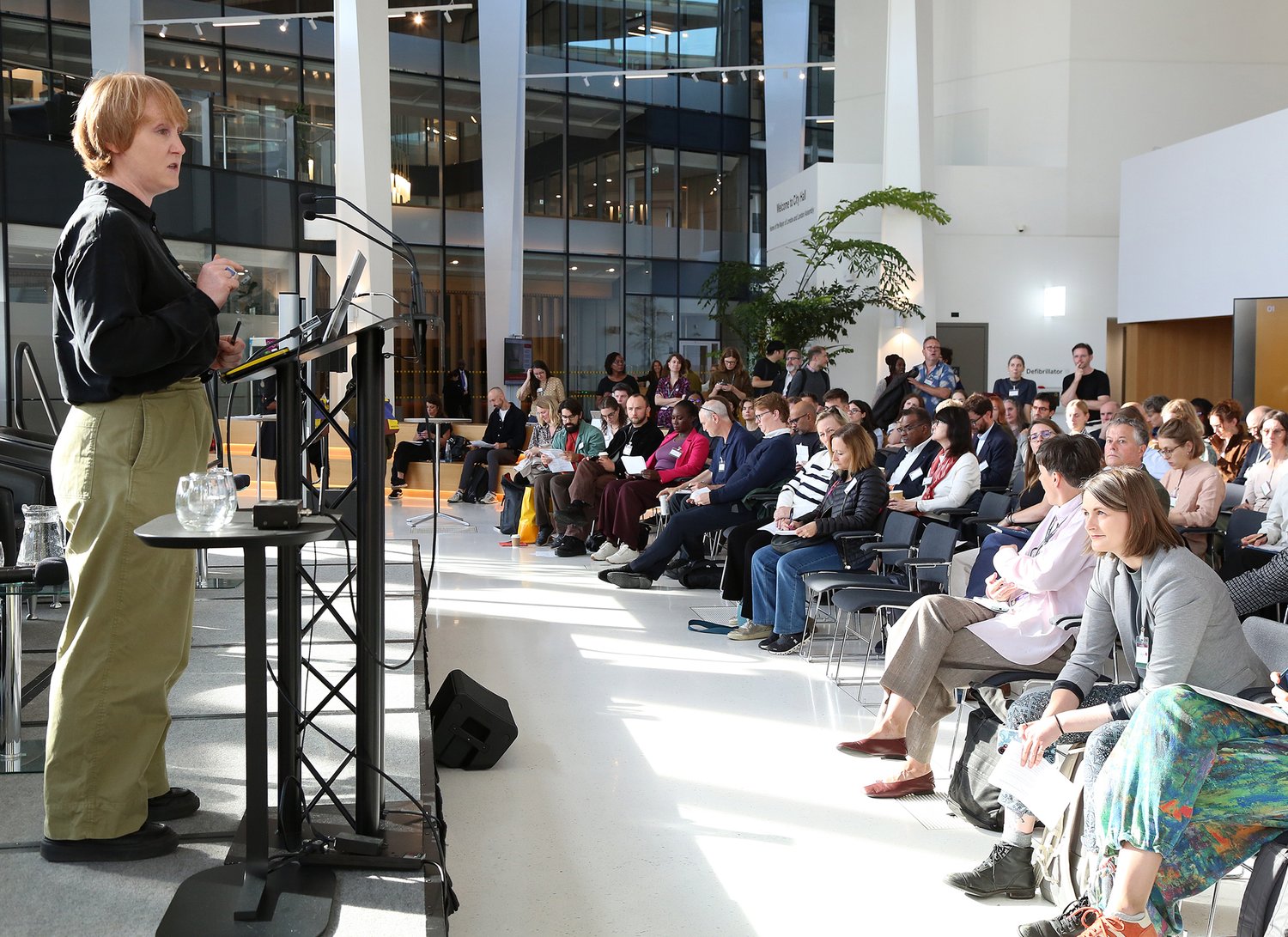
London’s high streets are changing, but they remain essential to our every day lives in the city. At High Streets for All Day at City Hall, Holly Lewis shared findings from the High Streets for All 2026 Update report, a new study commissioned by the Mayor of London.
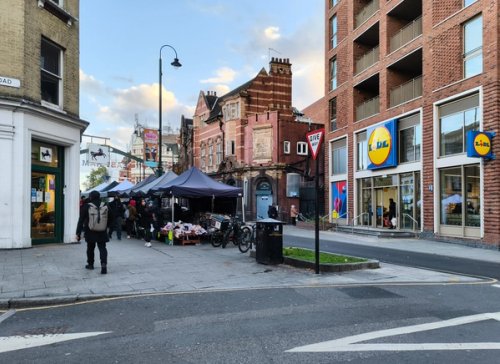
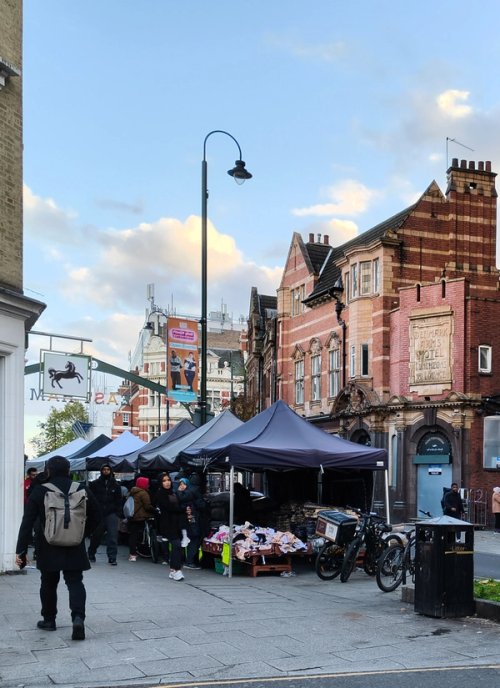
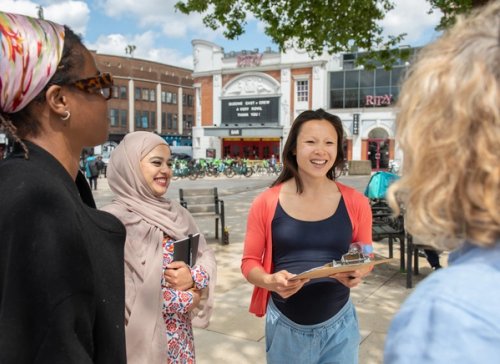
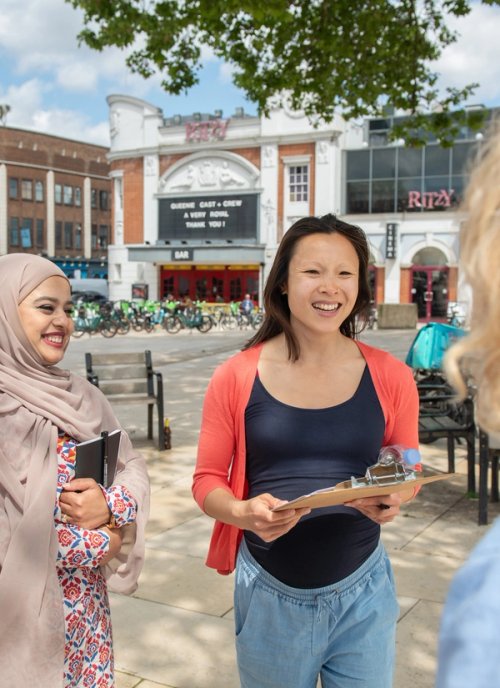
The report builds on research published in 2010, 2017 and 2019, offering an updated evidence base for understanding London’s high streets. It brings together data from the High Streets Data Service with face-to-face research with residents, visitors and businesses in Burnt Oak, Lewisham High Street and Lower Clapton Road.
High streets are part of everyday life
The report shows the scale of high streets’ contribution to London’s economy and daily life:
- 92 per cent of Londoners live within a 15-minute walk of a high street.
- Outside the Central Activities Zone, high streets account for 38 per cent of jobs and 40 per cent of businesses.
- Including areas within 200 metres of a high street, those figures rise to 62 per cent of jobs and 63 per cent of businesses.
- High streets host 64 per cent of London’s spaces for everyday needs.
A changing mix of uses
The composition of high streets has shifted since 2017. The number of retail units has fallen by 13 per cent, while leisure uses have grown by 17 per cent and services by 19 per cent. Spending on eating and drinking out has increased by 30 per cent since 2018, while spending on apparel has fallen by 22 per cent.
Together, these changes point to high streets that are becoming more service-oriented and experiential, while continuing to provide essential local goods and services.
Evidence of resilience, alongside pressure
The findings challenge the idea that London’s high streets are simply in decline. The proportion of in-person spending taking place on high streets rose from 41 per cent in 2018 to 46 per cent in 2025. The number of jobs and businesses has remained broadly stable, and London’s high street vacancy rates have stayed below the national average.
Businesses have adapted by developing online offers, using delivery platforms and diversifying their services. Specialist businesses, including those serving specific cultural communities, have shown particular resilience.
At the same time, affordability has emerged as a defining pressure for businesses and the people who use high streets:
- Almost half of the people surveyed mentioned affordability or the cost of living as a factor in their experience.
- More than a third of businesses cited rising business rates, rents or energy bills as key challenges.
These pressures affect not only whether businesses can remain open, but also whether people can afford to use the places and services around them.
High streets as places of support
The research highlights the social role of high streets. Two thirds of surveyed businesses reported providing a core social support function, from practical help for older customers to informal advice, community events and support for people facing financial difficulty.
However, growth in social infrastructure is uneven. Overall provision has increased by 24 per cent since 2017, but much of this growth comes from commercial gyms and leisure facilities. Over the same period, advice centres and council services have fallen by 15 per cent, while libraries have declined by 2 per cent.
From evidence to action
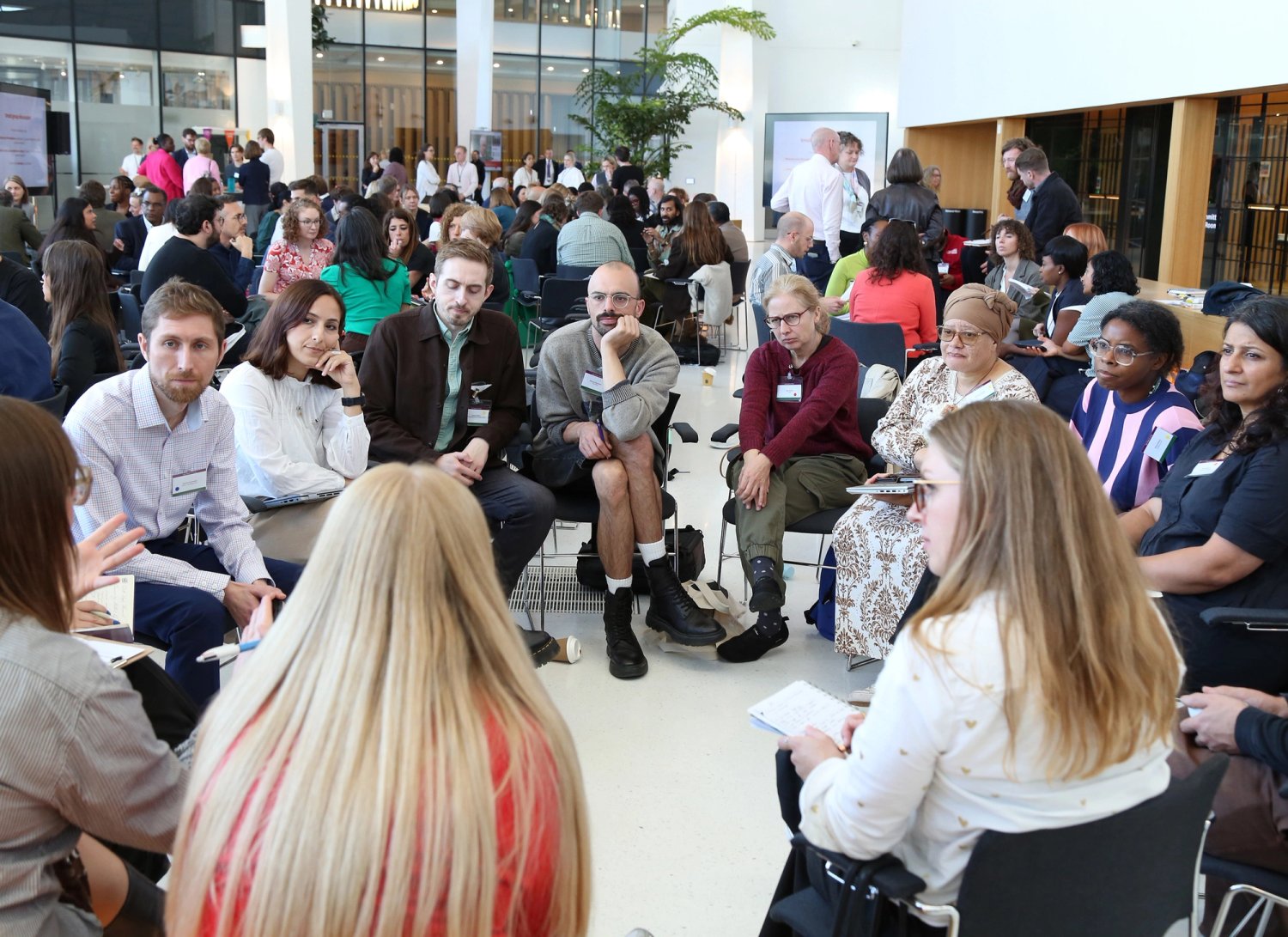
The High Streets for All Day at City Hall created space to explore how the report’s findings can inform action. Alongside the launch, sessions considered:
- Community-led partnerships through the GLA’s Civic Estate Agency.
- Protecting and growing cultural and community spaces on high streets.
- High Street Rental Auctions and practical resources for boroughs.
- The High Streets Data Service and High Streets Vacancy Register.
- The work and future direction of the High Street Network.
The report makes the case for sustained attention to the places where London’s economic, social and civic life meet. Its findings point to the importance of supporting affordable, locally rooted businesses, strengthening community infrastructure and using evidence to respond to the distinct needs of different high streets.