Women’s Safety Audit Pilot Project
Making London safer for women, girls and gender-diverse people
How can we engage the voices of women, girls and gender-diverse people to better understand perceptions of safety in London? We set out to explore how to meaningfully engage and capture their lived experiences and perceptions of safety through this pilot project.
Safety in public spaces is a fundamental right, yet many women, girls, and gender-diverse people in London still feel unsafe in their daily environments. To address this, the Women’s Safety Audit Pilot Project—commissioned by Transport for London (TfL) and the Mayor’s Office for Policing and Crime (MOPAC), set out to explore how to meaningfully engage these communities and capture their lived experiences and perceptions of safety.
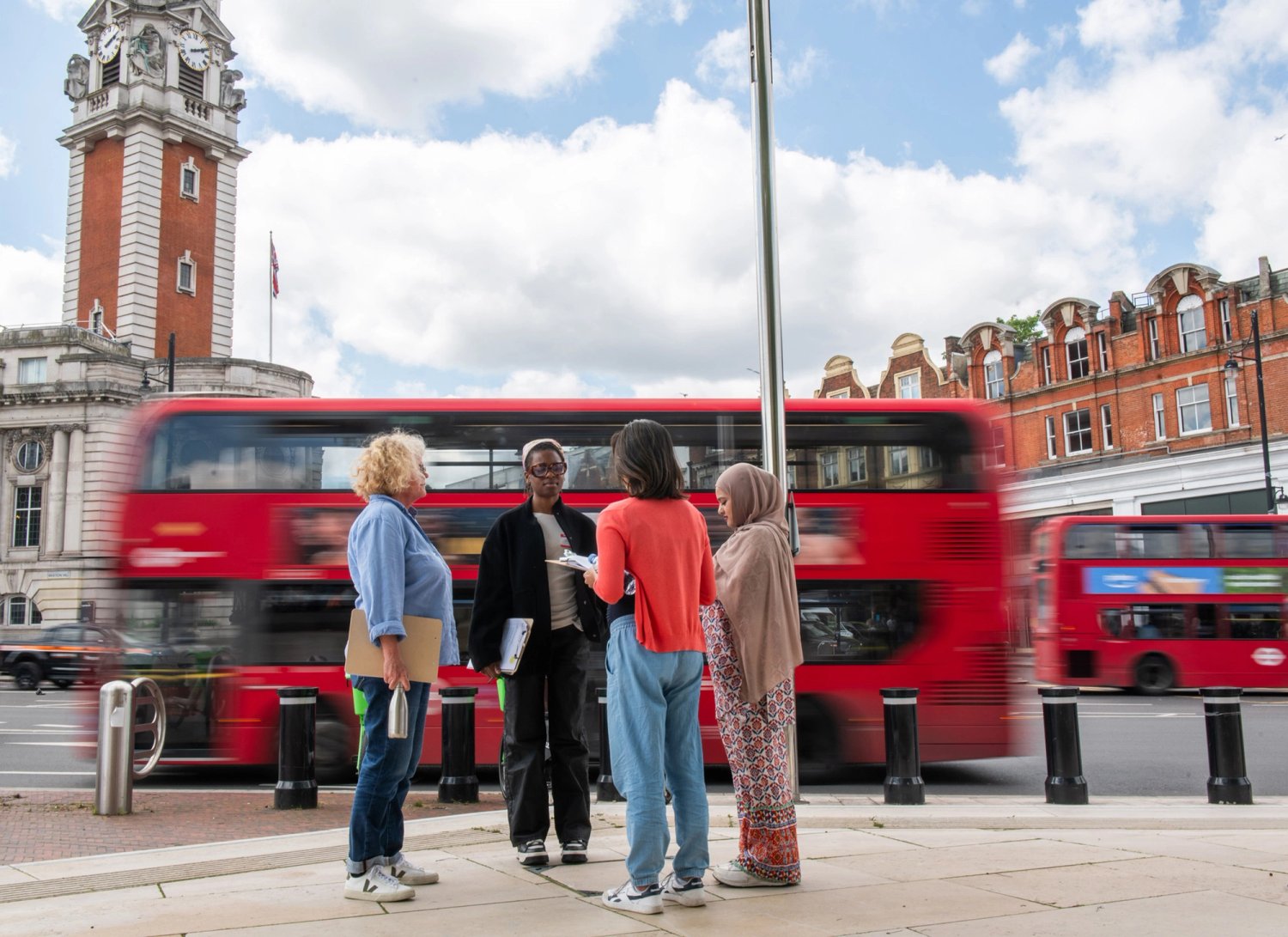
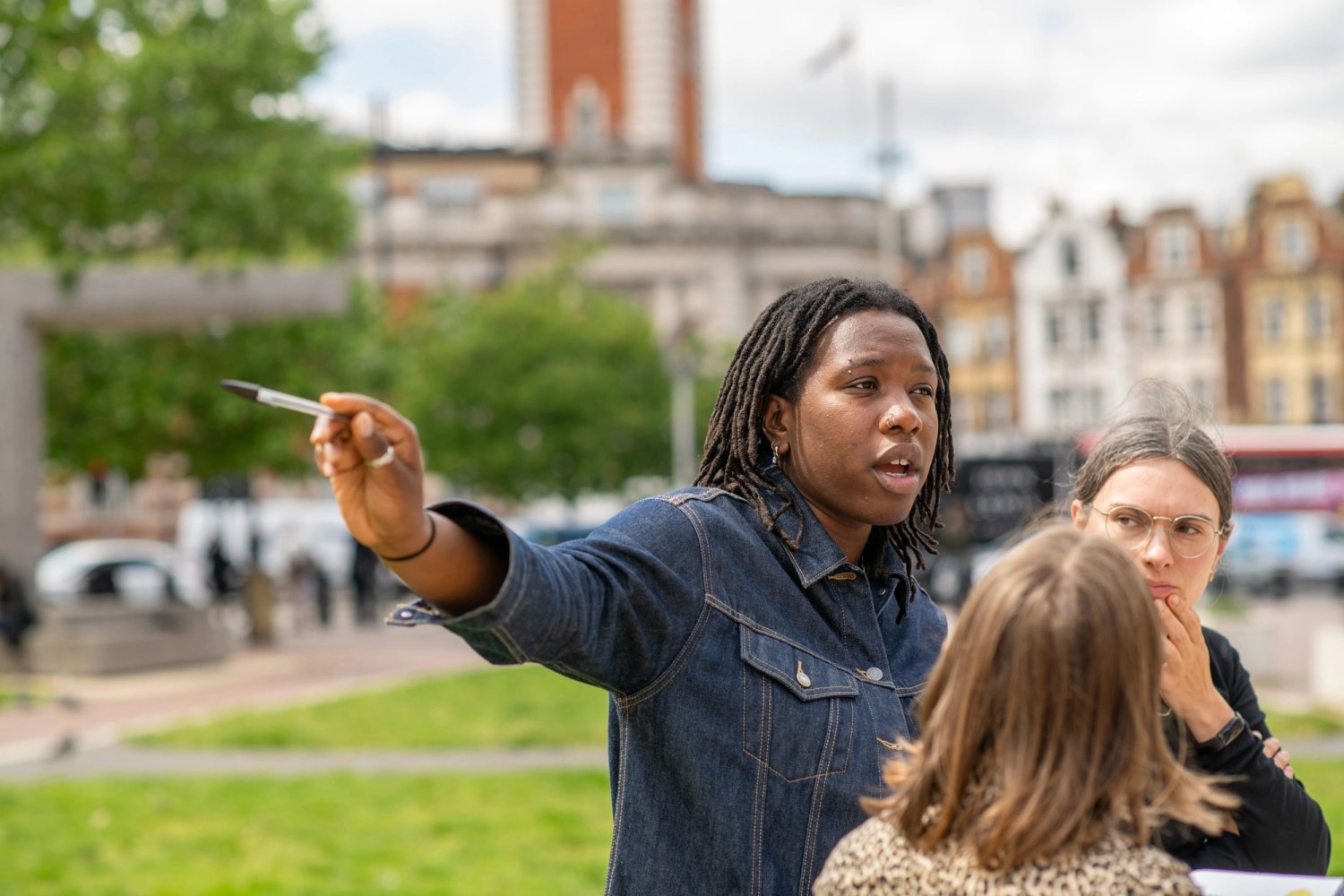
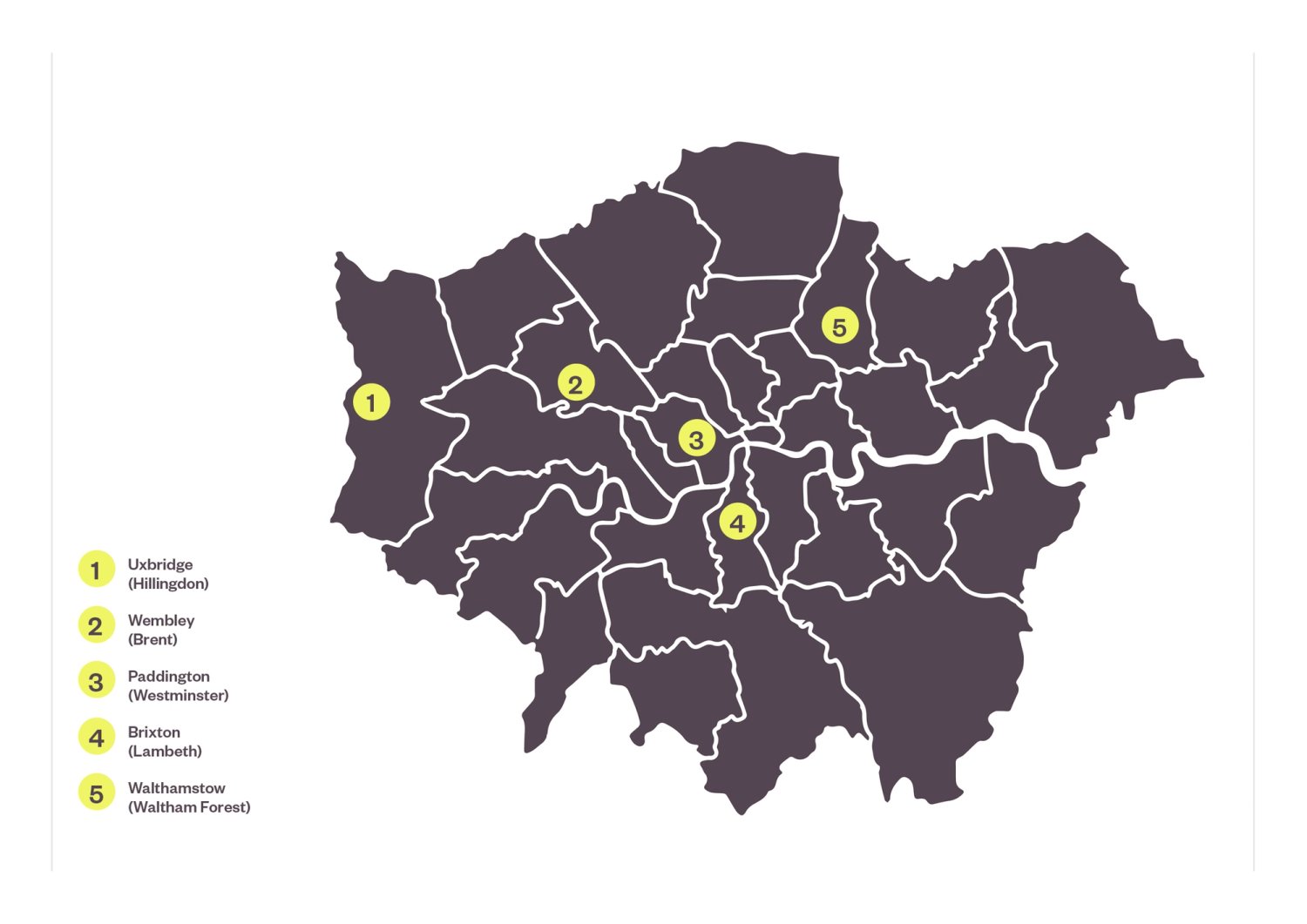
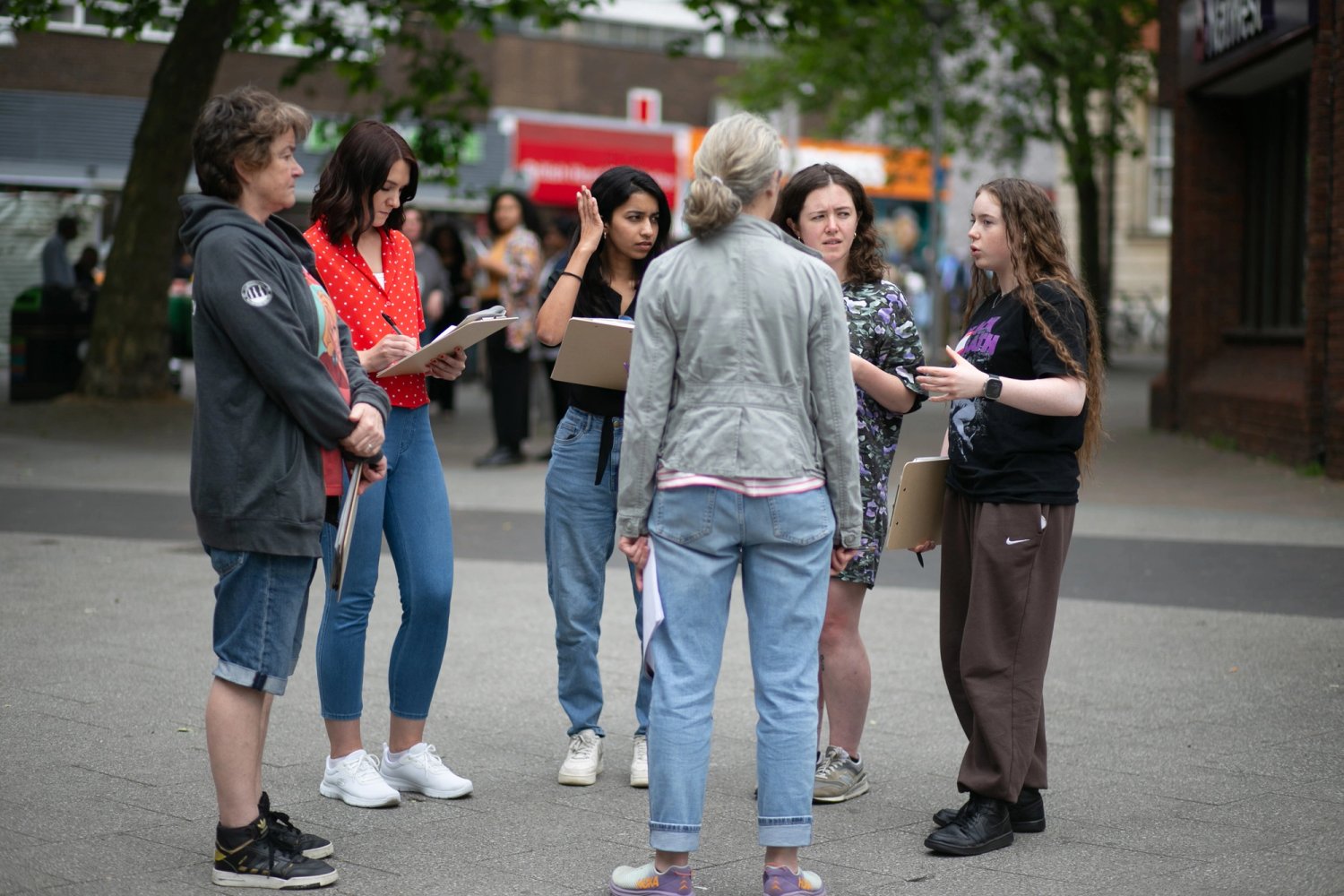
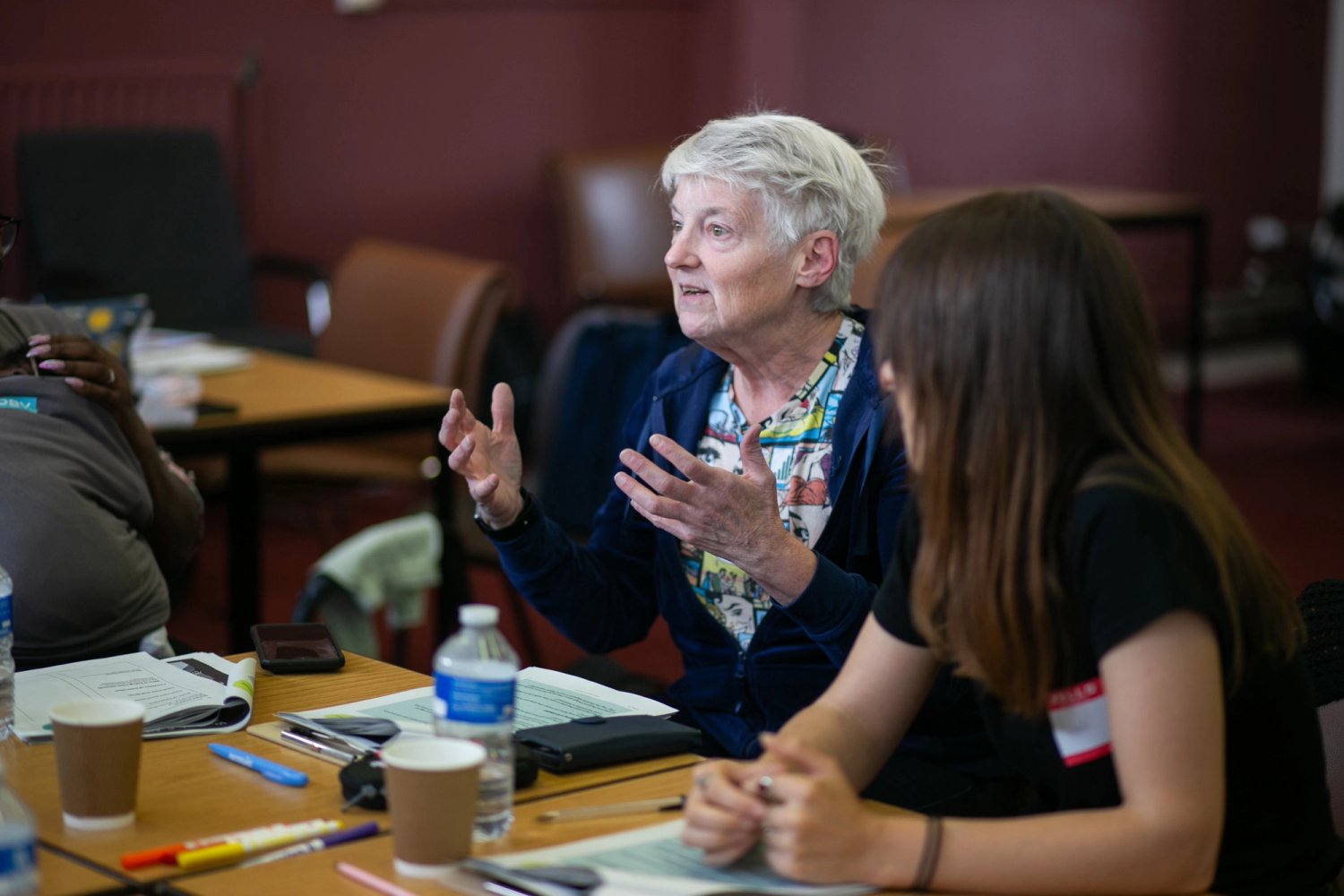
In collaboration with 47 women, girls, and gender diverse individuals across five pilot locations, as well as an advisory board and the UCL Citizen Science Academy, we developed tools to capture and assess experiences of safety in public spaces of the following locations:
1. Uxbridge, Hillingdon
2. Wembley, Brent (HA9)
3. Paddington, Westminster (W2)
4. Brixton, Lambeth (SW9)
5. Walthamstow, Waltham Forest (E17)
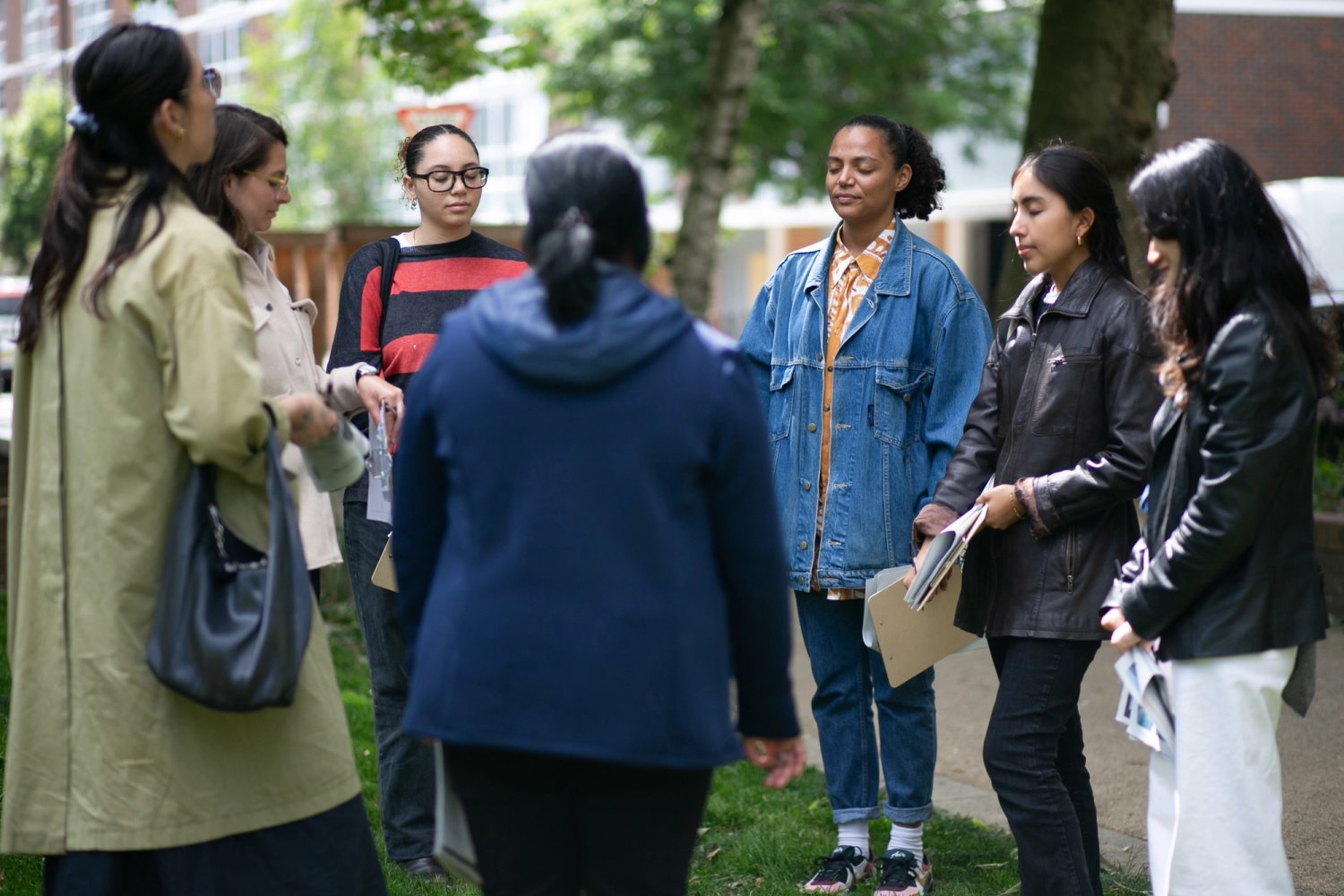
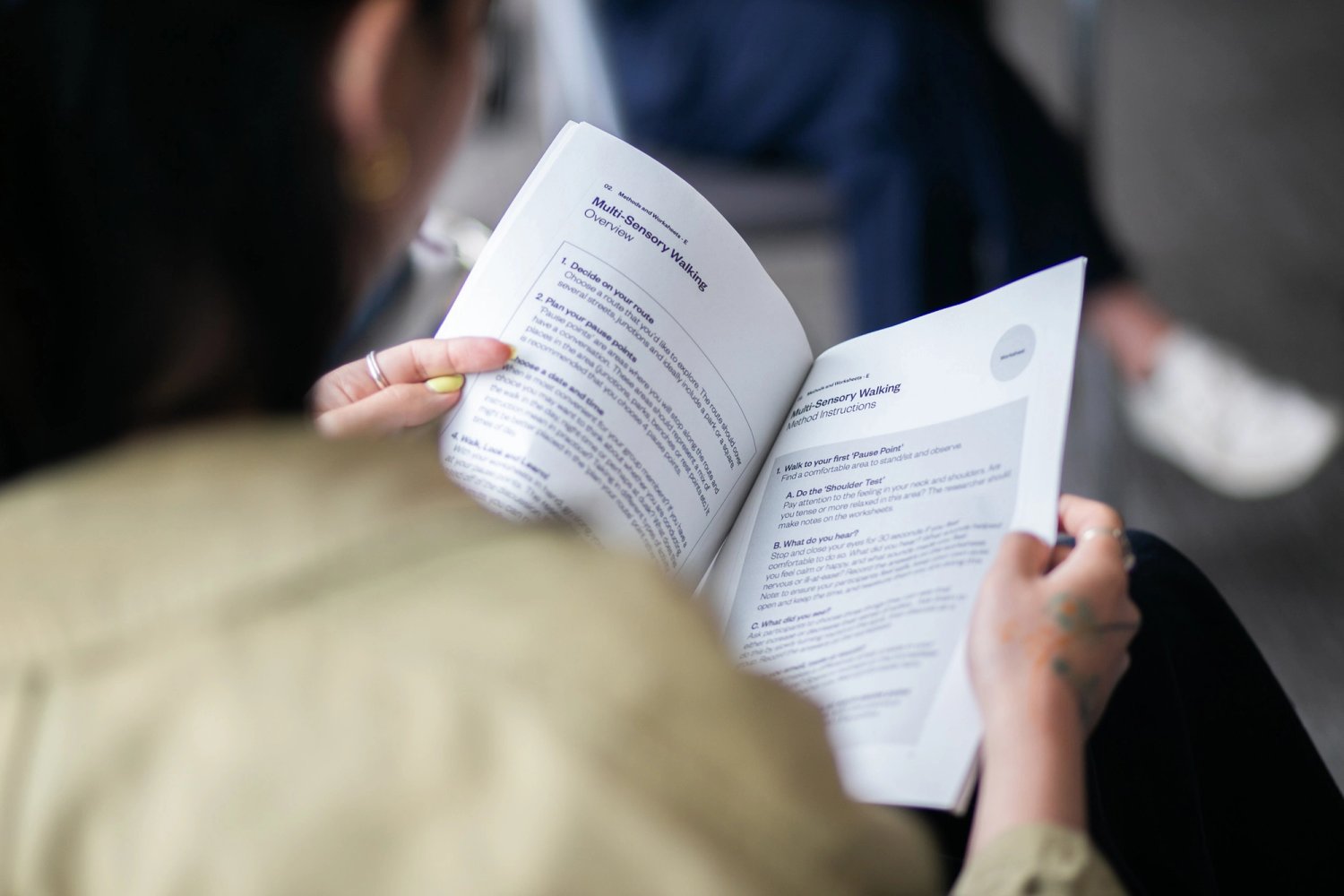
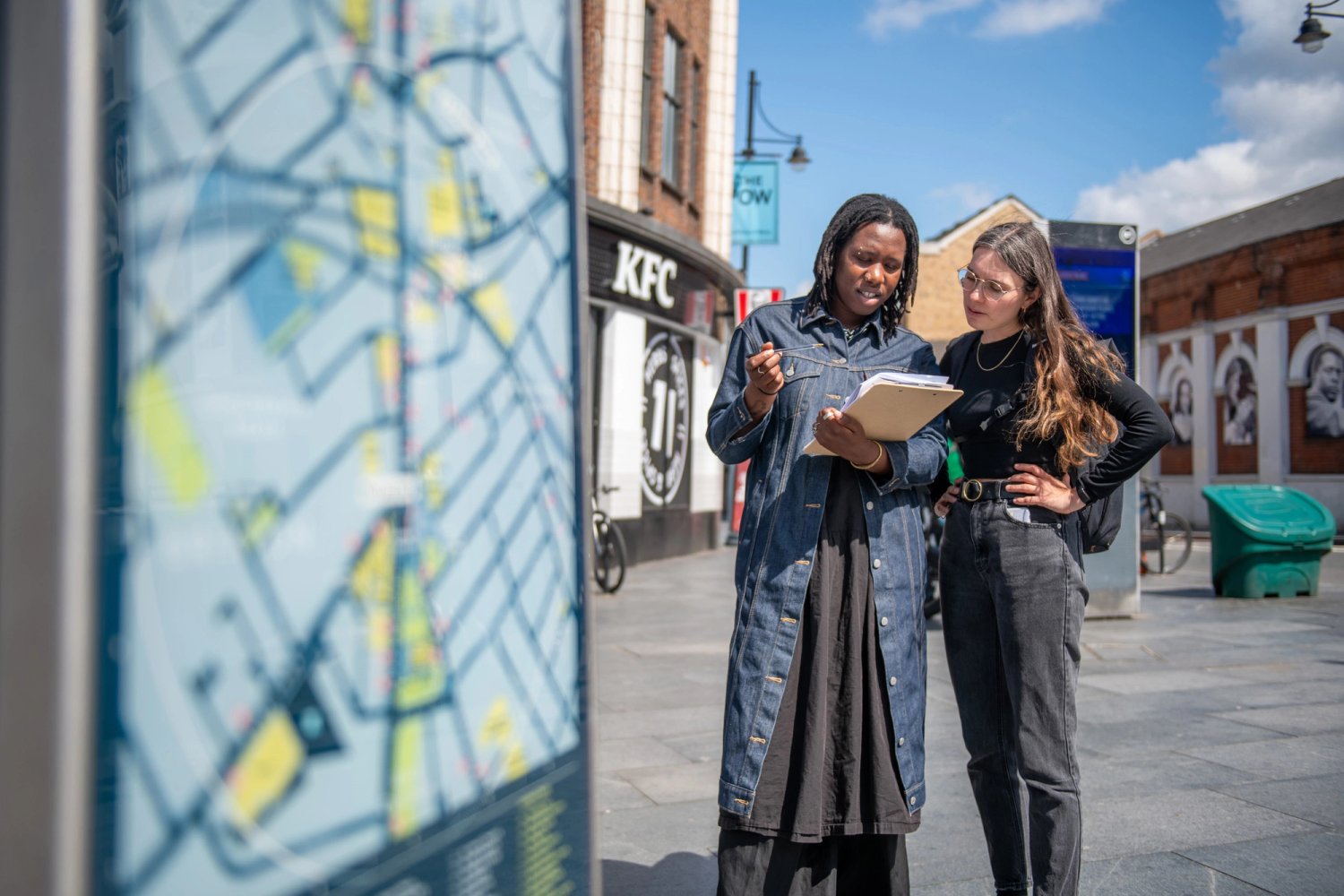
The comprehensive toolkit includes methods such as participatory mapping, multi-sensory walking, and practical checklists to support meaningful safety audits.The goal was not only to understand how women and gender-diverse people experience public spaces, but also to ensure these insights are integrated into future decisions on urban design, policy, and engagement.
This commission brings together key insights and learnings from the pilot project sites and offers a series of recommendations to enable TfL and MOPAC to take forward the work and build on the momentum generated so far. We also created a “How to Guide” and a “Women’s Safety Audit Toolkit” that are designed to empower organisations and community groups to conduct their own Women’s Safety Audits and create safer spaces in their local areas.
Download the How To Guide here
This guide provides step-by-step instructions for planning and organising a Women’s Safety Audit. It is an essential resource for those looking to replicate the process and is designed to complement the Community Researcher Handbook by offering clear guidance for every stage of the audit.
Download the Community Researcher Handbook here
This comprehensive handbook details the five methods tested during the pilot project, including practical instructions and worksheets for each approach. It works in tandem with the How To Guide, serving as a hands-on tool for implementing Women’s Safety Audits effectively.

The Women’s Safety Audits have been an integral component of the Mayor’s Violence Against Women and Girls strategy, referenced in the Night Safety Charter and will be used by TfL as a core tool for embedding gender-inclusive design into their processes.
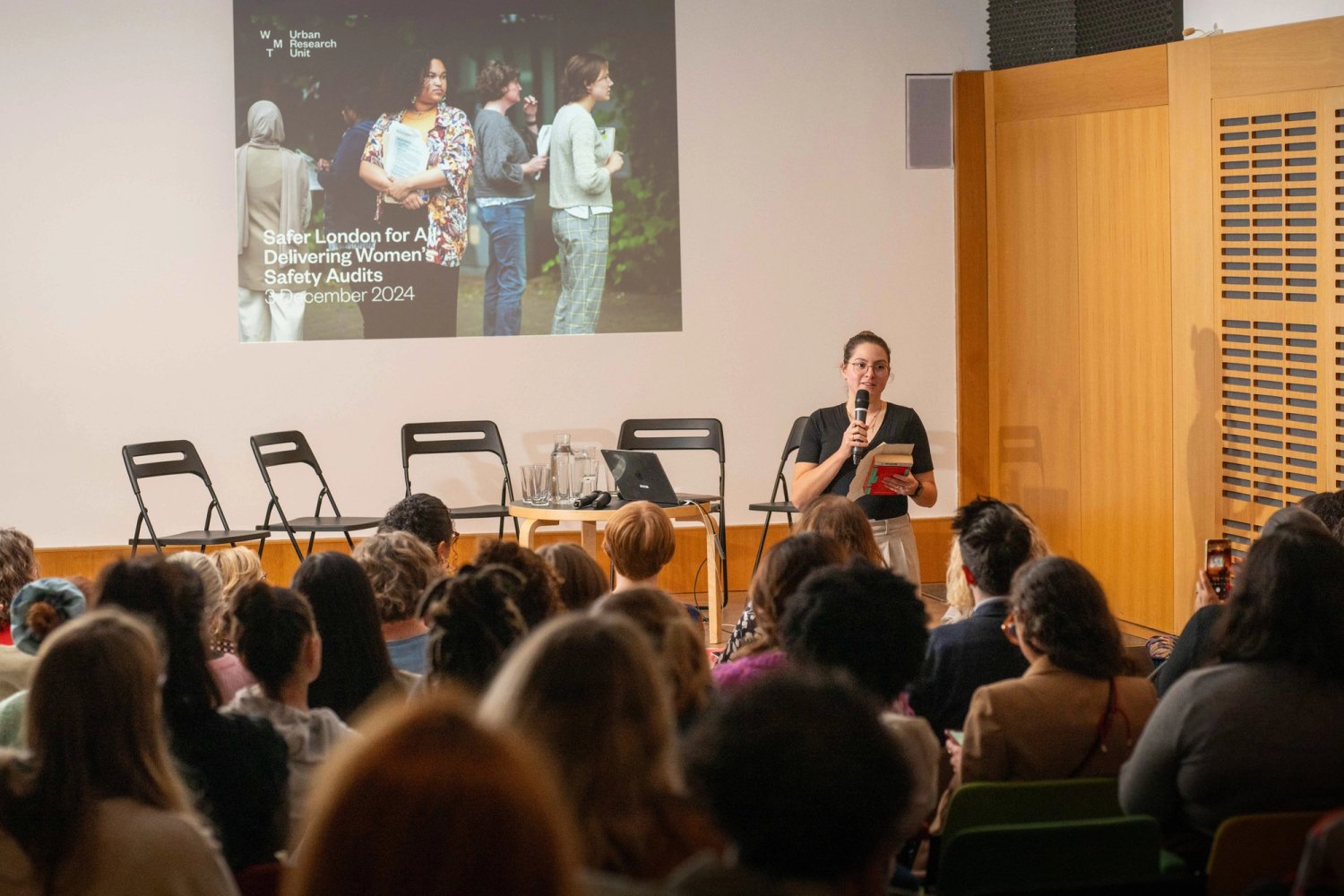
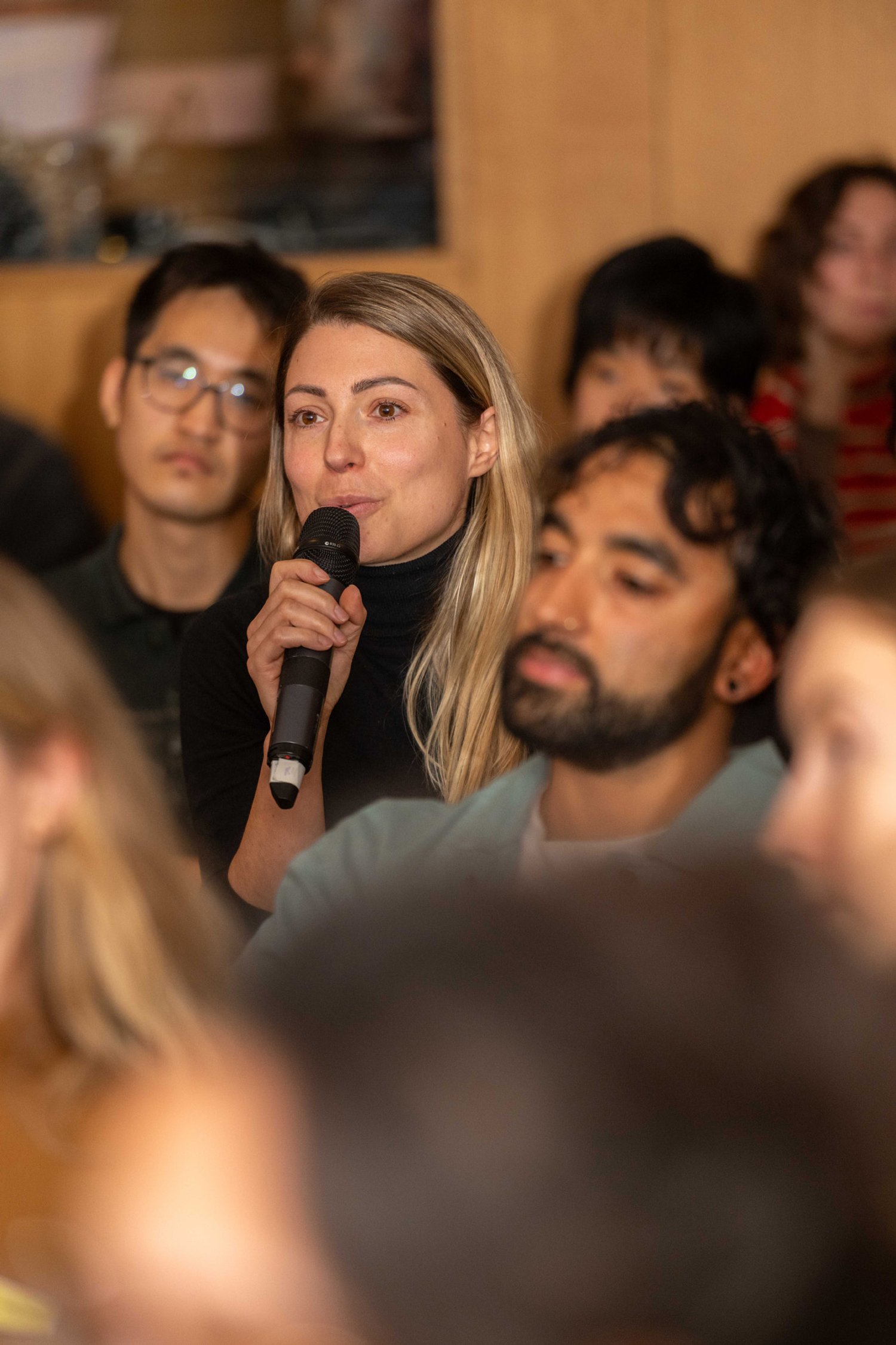
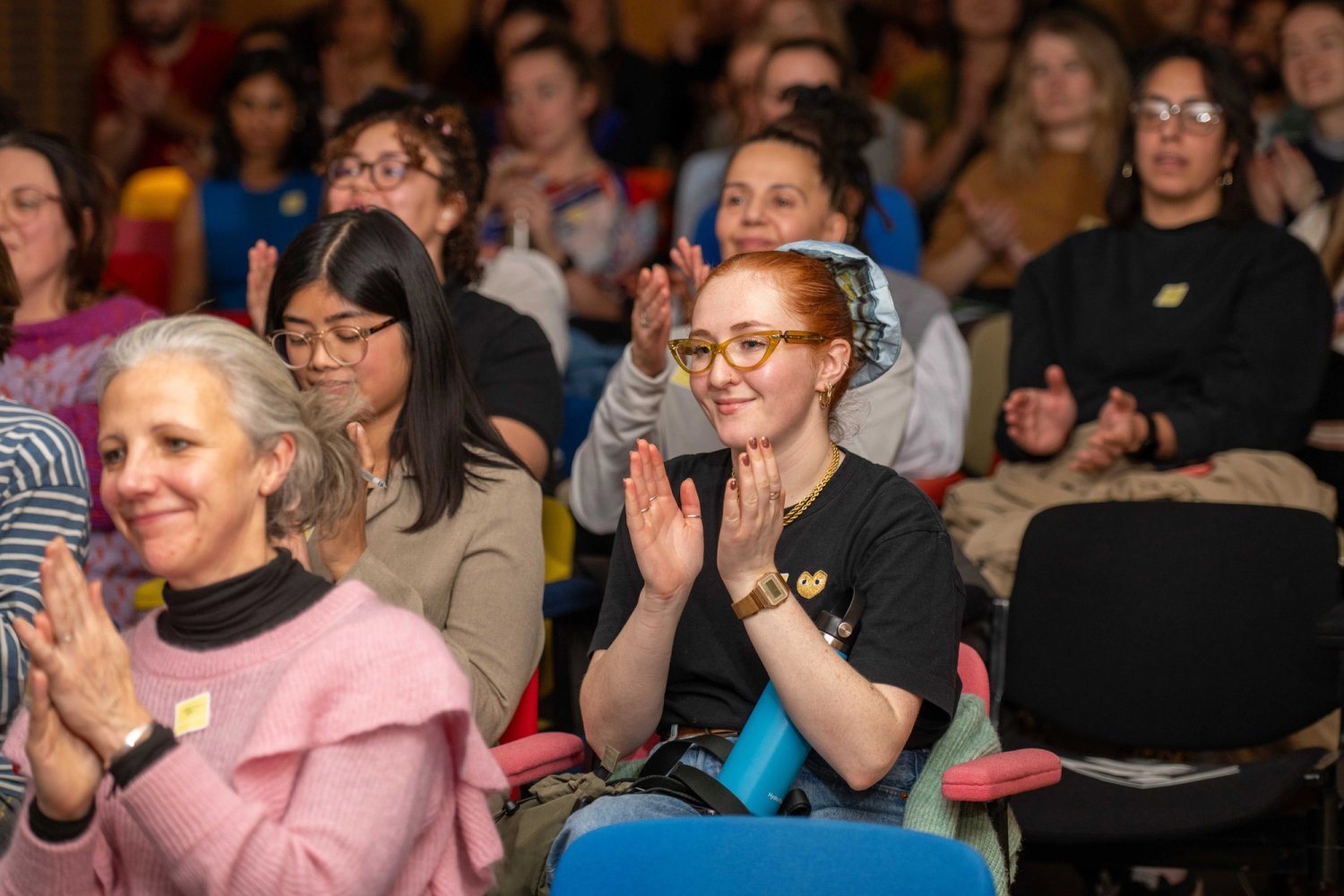
Our commitment also extends beyond the pilot, ensuring sustained engagement acts as a lasting tool for change. A 'Learning Symposium' held in December 2024 brought together all project participants, from community researchers to key stakeholders, fostering ongoing knowledge exchange and collaborative reflection for future initiatives.
We continue to support community researchers post-project, providing letters of recommendation, career advice, and facilitating additional paid collaboration opportunities. We have also helped those actively involved in their communities advocate for the importance of this approach, acting as a support system when using the audits.
Additionally, TfL and MOPAC are vigorously championing the work internally and externally. We have jointly presented at high-profile events like TfL’s "Personal Security Summit" and the "Women’s Night Safety Summit," ensuring the project’s insights are disseminated to wider professional audiences and key community partners. This ensures the methodology gains broad institutional recognition and adoption.
Project Details
- Client
- Transport for London (TfL) and Mayors Office for Policing and Crime (MOPAC)
- Status
Completed November 2024
- Team
We Made That, Advisory Board (Tiffany Lam, Hanna Baumann, Clare Rishbeth, Annabel Precious, Mary-Helen Young) and UCL Citizen Science Academy
- Awards
Pineapple Award 2026: Community Engagement (Shortlisted)
- Photography
Jas Lehal and Nina Robinson