Creative Enterprise Zone Data and Impact Study
Assessing the impacts of the Creative Enterprise Zone programme on London’s creative economy
What actions have greatest impact when embedding culture and resilience through Creative Enterprise Zones?
This impact evaluation brings together data and learnings from London’s first six Creative Enterprise Zones (CEZs) established in 2018 – Brixton, Croydon, Deptford and New Cross, Hackney Wick and Fish Island, Hounslow, and Tottenham – and shapes further Mayoral priorities for culture.
The Mayor of London launched Creative Enterprise Zones with the aim of putting culture at the heart of local regeneration in London. The programme designates areas where artists and creative businesses can find permanent affordable space to work and are supported to start-up and grow. In addition, it helps local people learn creative sector skills and access pathways to paid work.
We Made That’s Urban Research Unit, supported by Wavehill, PRD and Associate Professor Tarek Virani from the University of the West of England, measured impact against four key pillars: space, providing skills and business support, policy and community engagement and socially inclusive places.
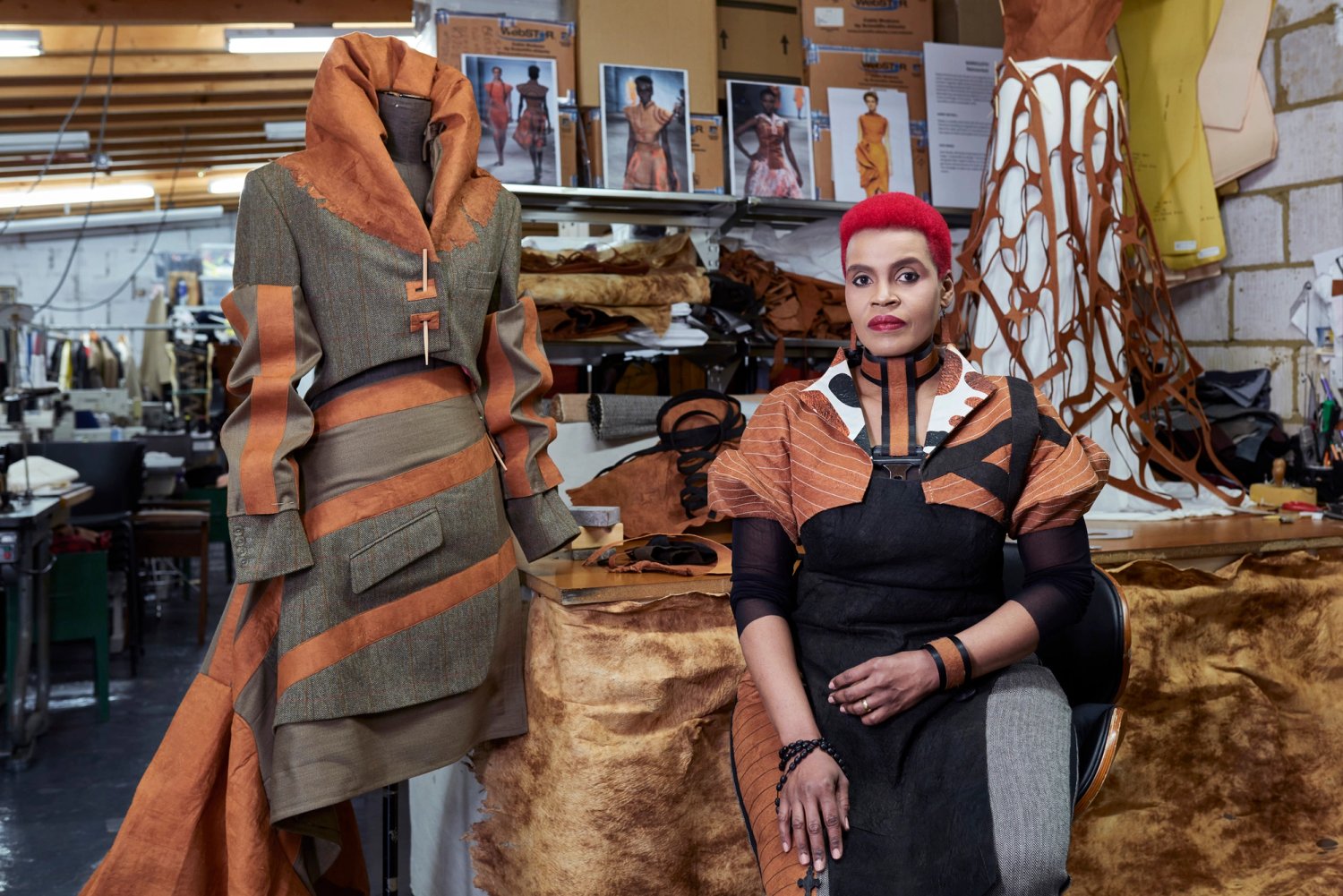
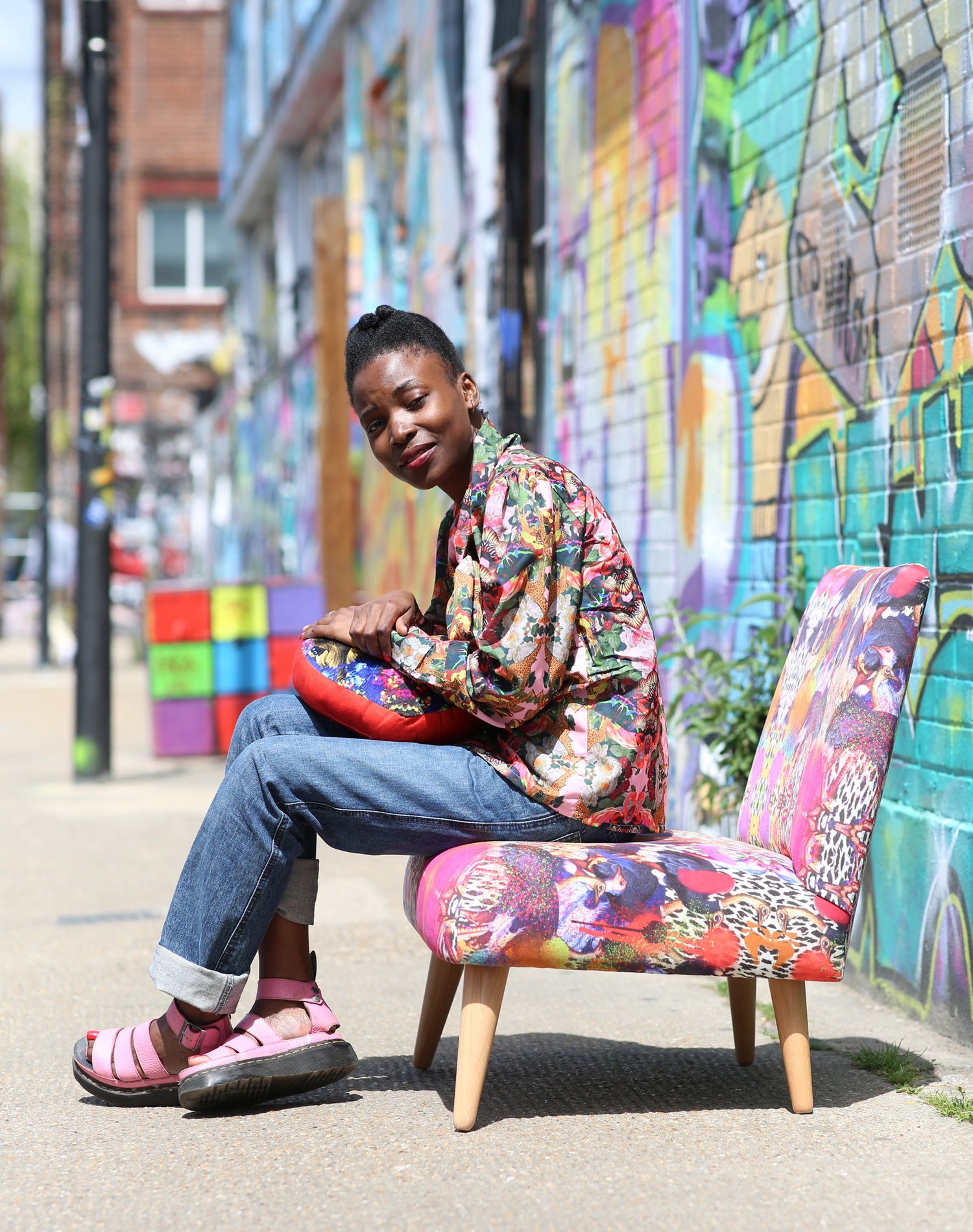
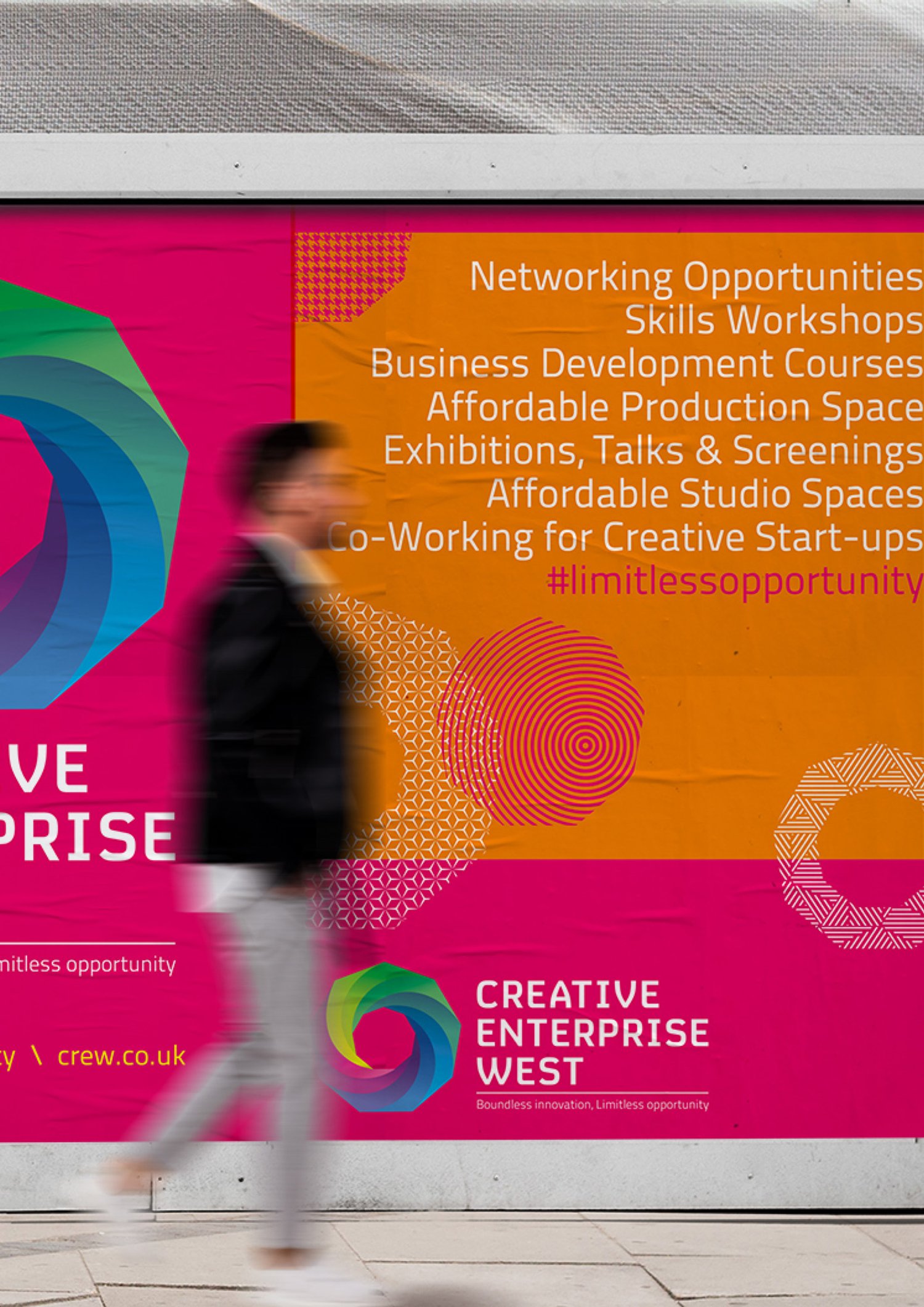
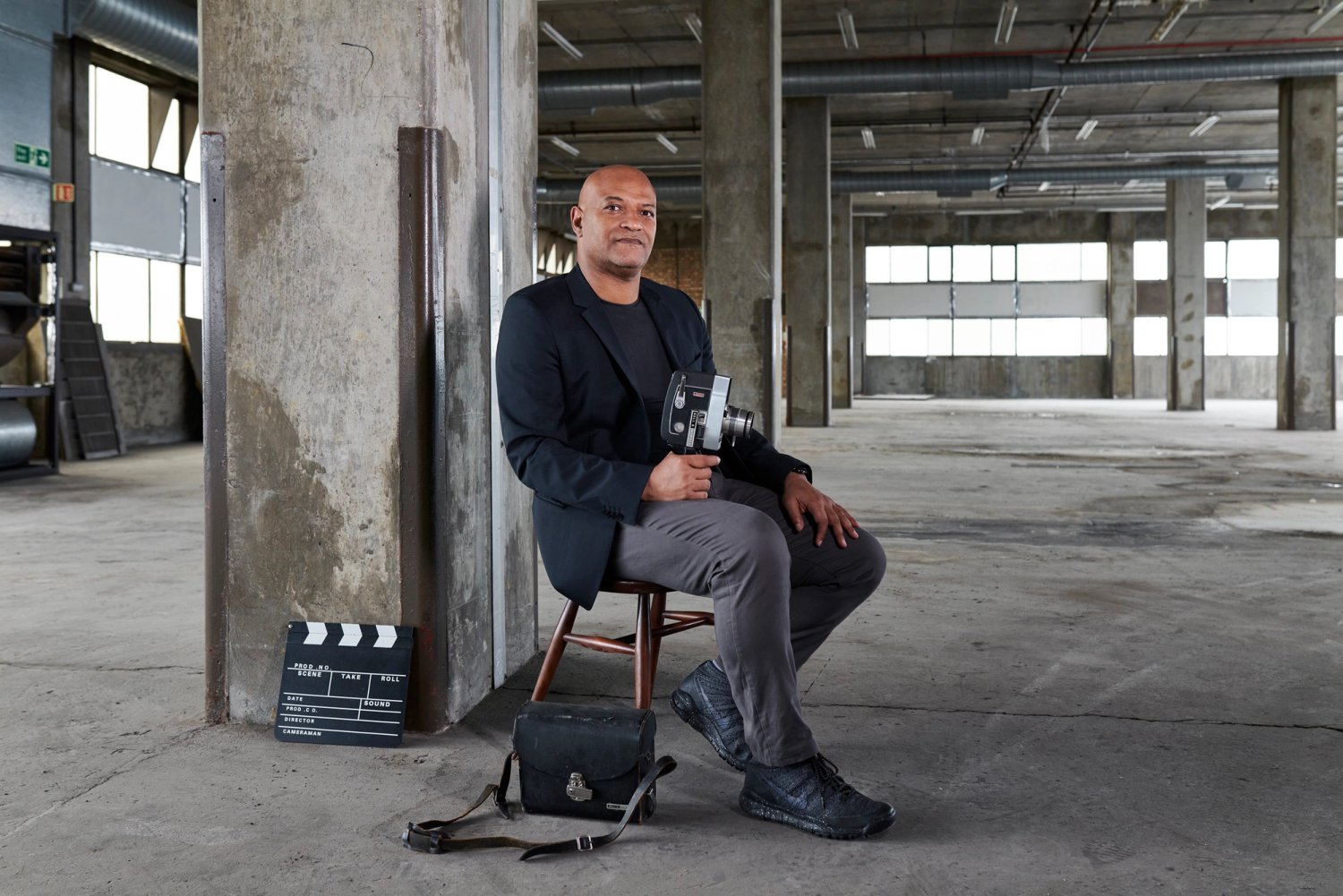
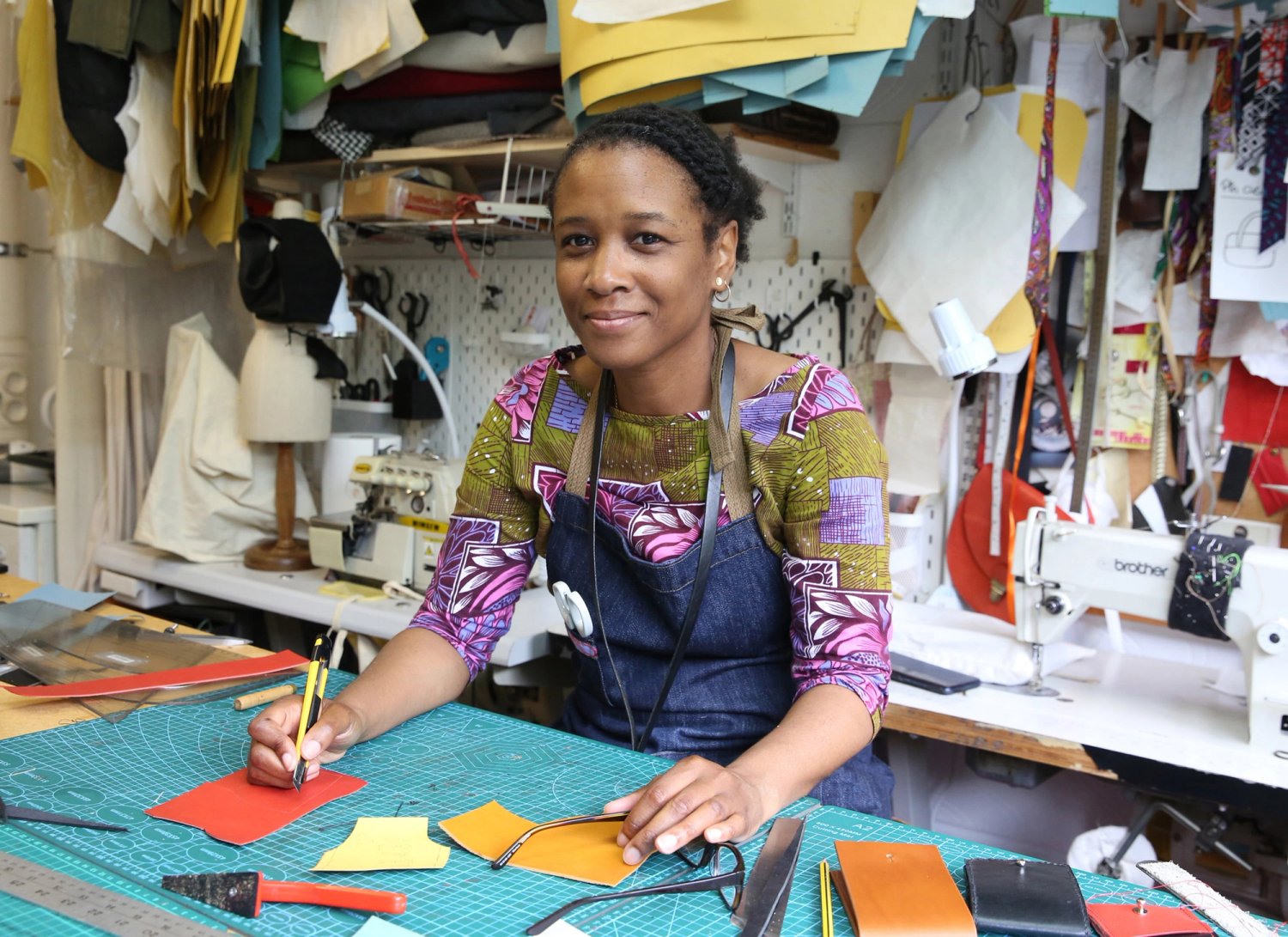
The evaluation process brought together a wide range of data and perspectives to assess the impact of the initiative. Using a combination of surveys, interviews and data, the study gathered insights from zone leads, council officers, and creative businesses operating in these areas. A data dashboard, with standardised data collection across all zones, provides consistency as well as a valuable resource for future Creative Enterprise Zones to measure their progress and impact effectively.
This study provides vital intelligence on ways in which the first phase of the Creative Enterprise Zones programme has created strong local networks which allowed for agile support of artists, creatives, and workspace providers.
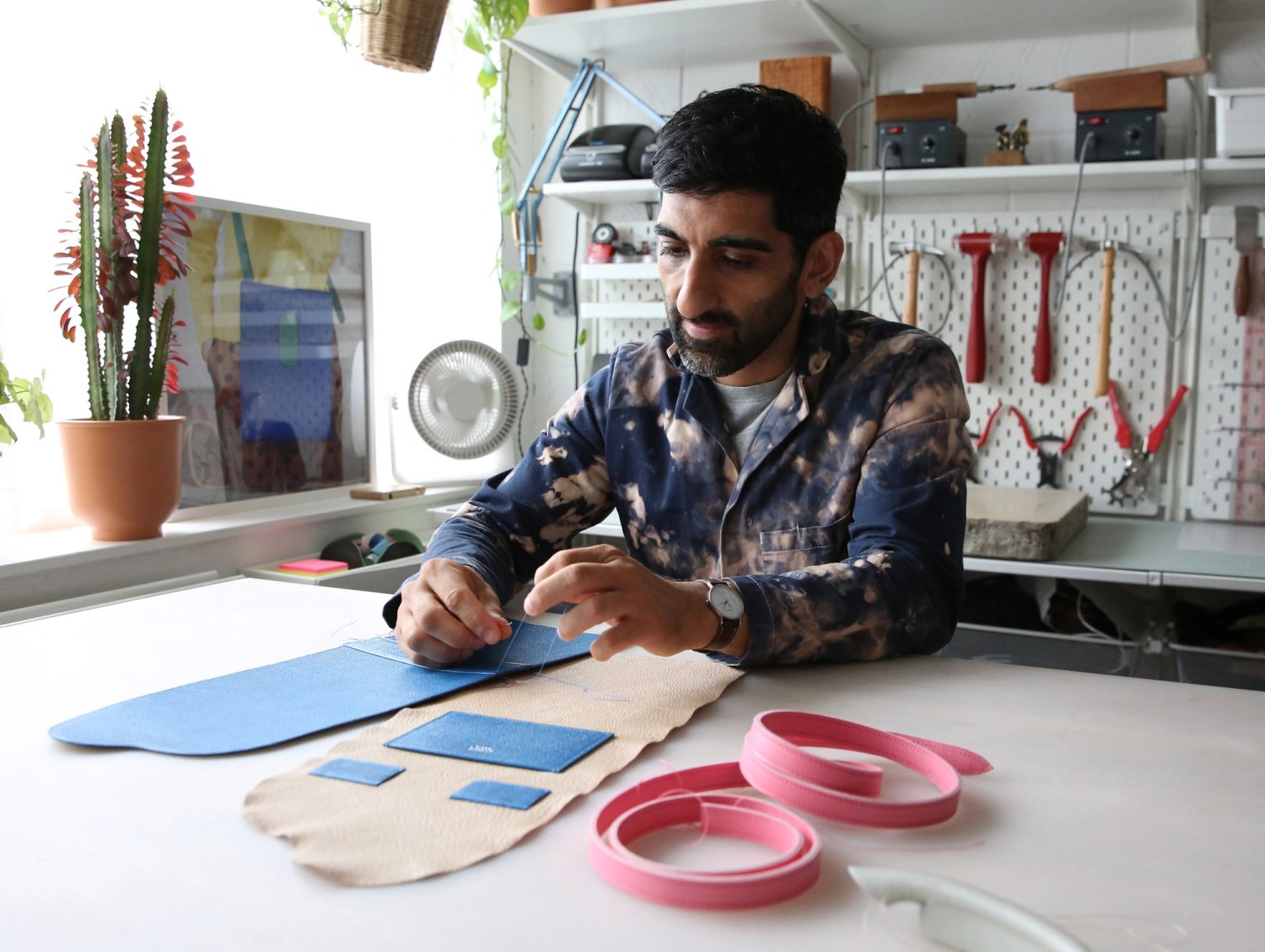
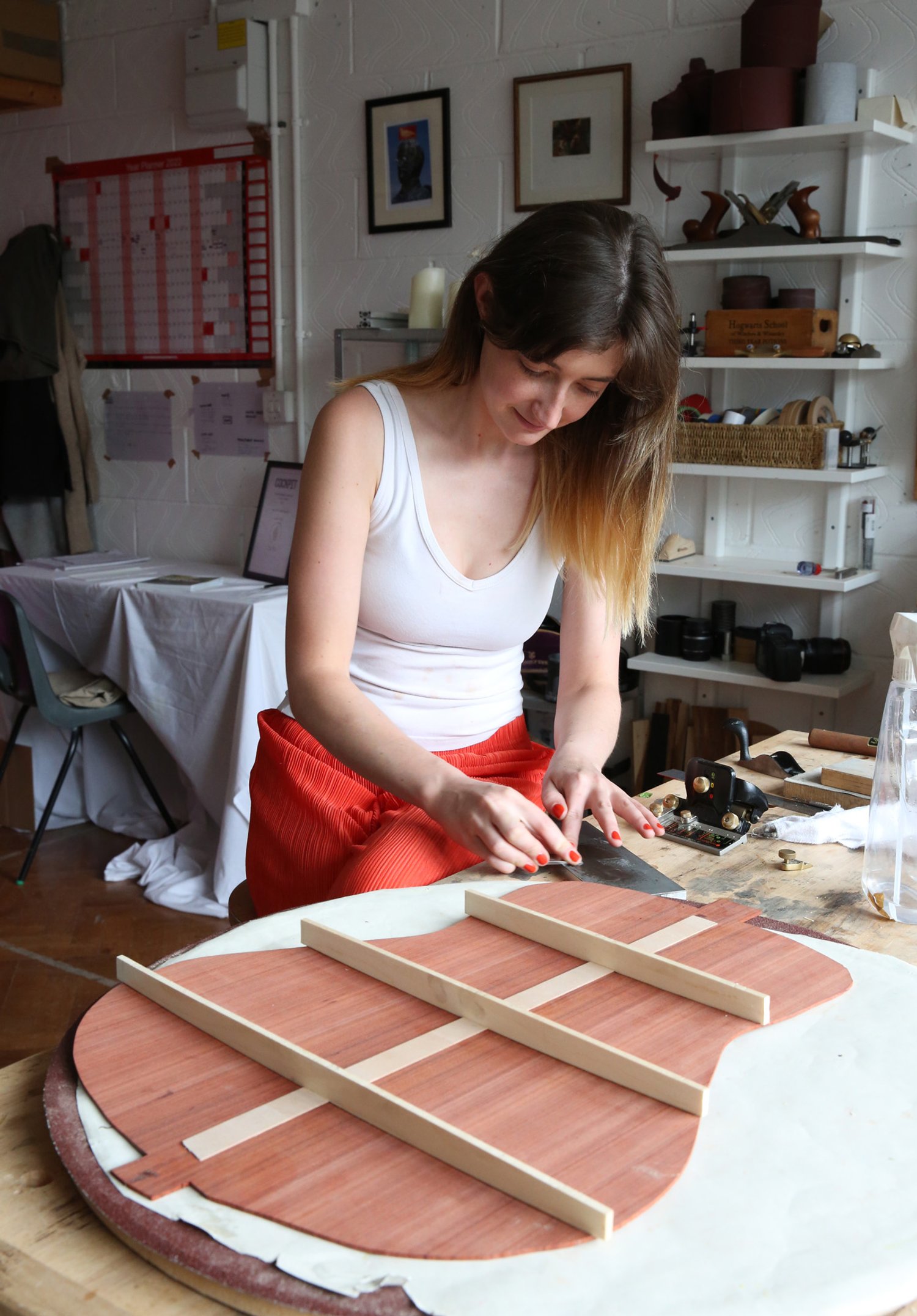
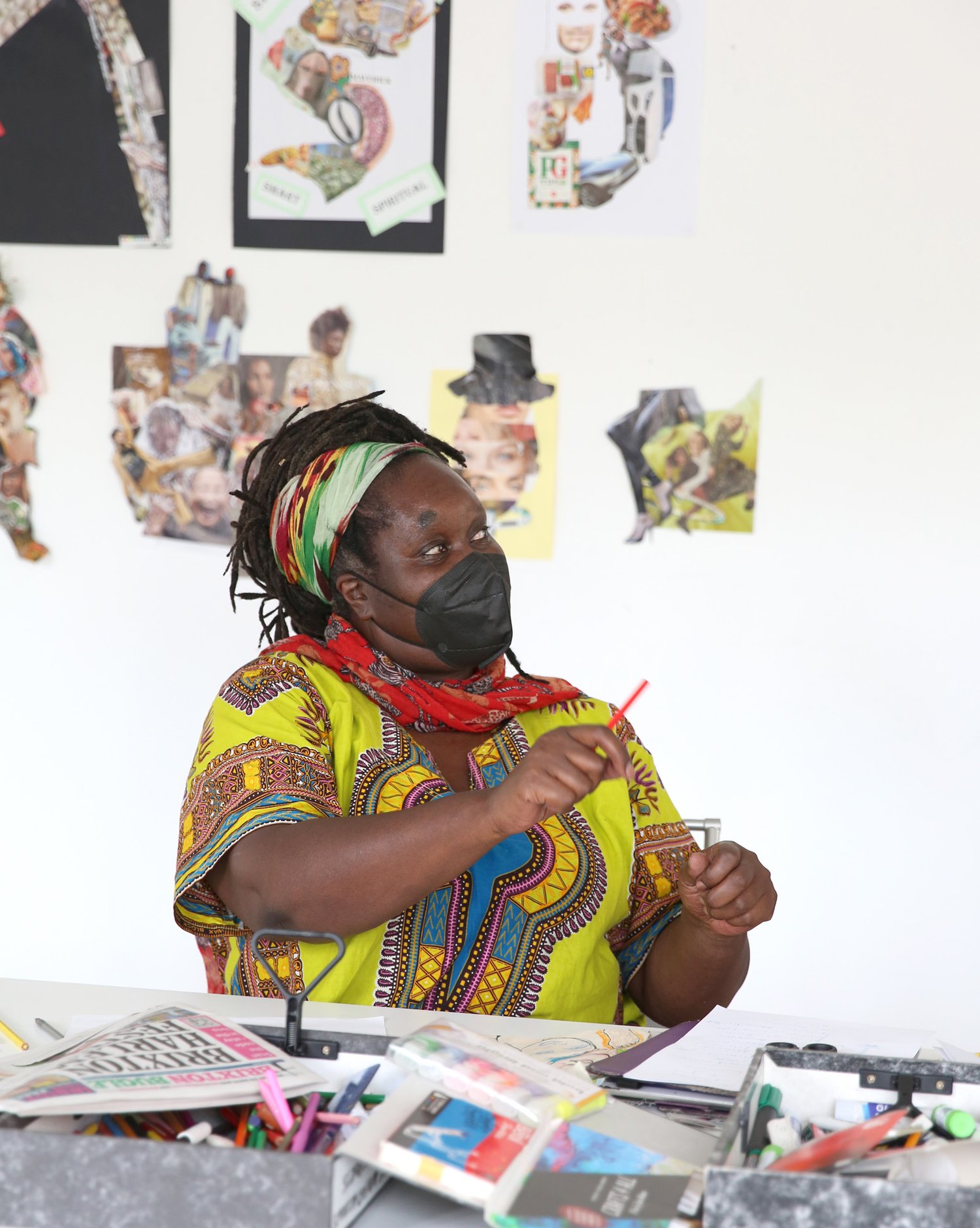
The evaluation of the programme shows positive impact on creative sector resilience across the six zones, with differing strengths between zones which reflects the diversity of focus and delivery models in each area.
These learnings have informed the next stage of the Creative Enterprise Zone programme, helping to refine and shape its future direction to better serve London’s artists, creative enterprises, and residents.
The programme developed meaningful models for diversity and inclusion to be centred in creative sector growth. Creative Enterprise Zones have made increasing the representation of diverse residents in the creative industries a priority by funding inclusive sector opportunities. In Brixton and Croydon in particular, efforts were made to provide new pathways and raise awareness of creative careers among local diverse communities.
The evaluation has also shown valuable increased visibility of cultural and creative industries within local areas, within London and globally. Examples include placemaking interventions like mural and artwork commissions, branding initiatives like ‘Made by Tottenham’ and local ambassador programmes, marketing campaigns, and panel events.
The study has also revealed strengthened local partnerships. The designation of Creative Enterprise Zones has strengthened their ‘soft power’ and fostered greater trust between the zones, local stakeholders, and authorities.
Project Details
- Client
- Greater London Authority
- Status
Completed 2023
- Team
We Made That, Wavehill, PRD and Dr Tarek Virani
- Download