What next for London’s high streets?
26 February 2026
London's high streets are changing. Shaped by a series of major shifts including the COVID-19 pandemic, evolving economic pressures and changing work patterns, these spaces are continuously being reimagined. Understanding this evolution of London’s high streets is vital to ensuring they continue to serve all Londoners and contribute to the city's future growth.
It is within this context that We Made That have embarked on a timely new commission for the Greater London Authority. Building on over a decade of research, including our 'High Streets for All’ study and ‘High Streets & Town Centres: Adaptive Strategies’, this newest study revisits this foundational work and extends innovative, mixed-methods research to interrogate the current economic and social condition of London’s high streets. Led by We Made That with support from PRD and Professors Matthew Carmona and Laura Vaughan from the UCL Bartlett Faculty of the Built Environment, this research will this research will update and expand evidence to deliver the London Growth Plan most effectively for London’s high streets and town centres.
How have London’s high streets changed or had to adapt? We are conducting robust data analysis as well as on the ground-research to capture the lived experience of Londoners and the changing nature of London’s high streets.
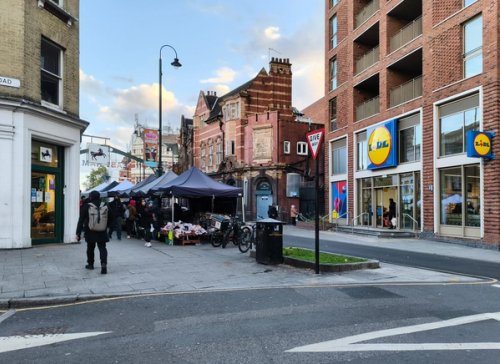
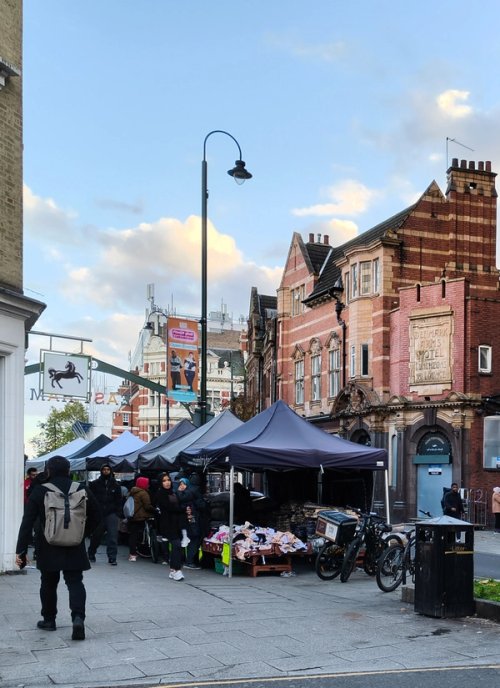
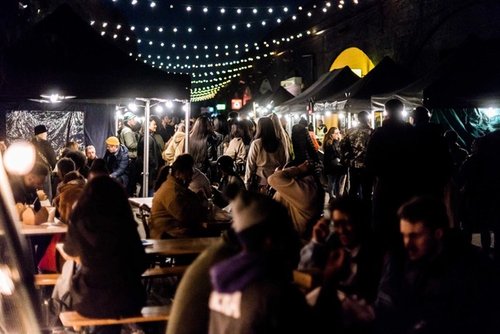
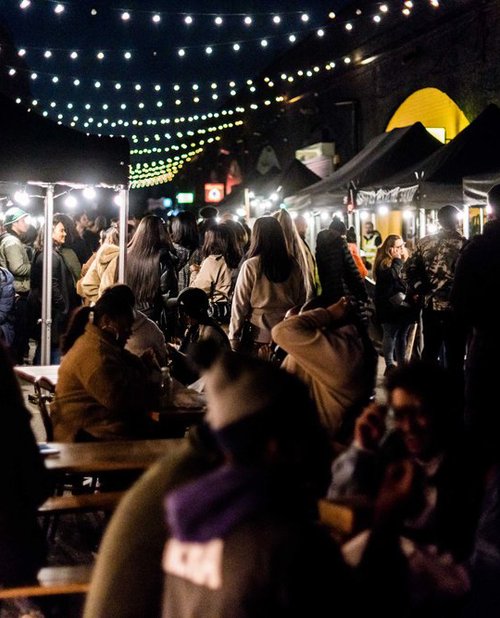
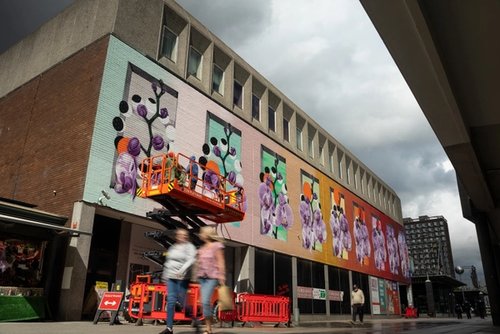
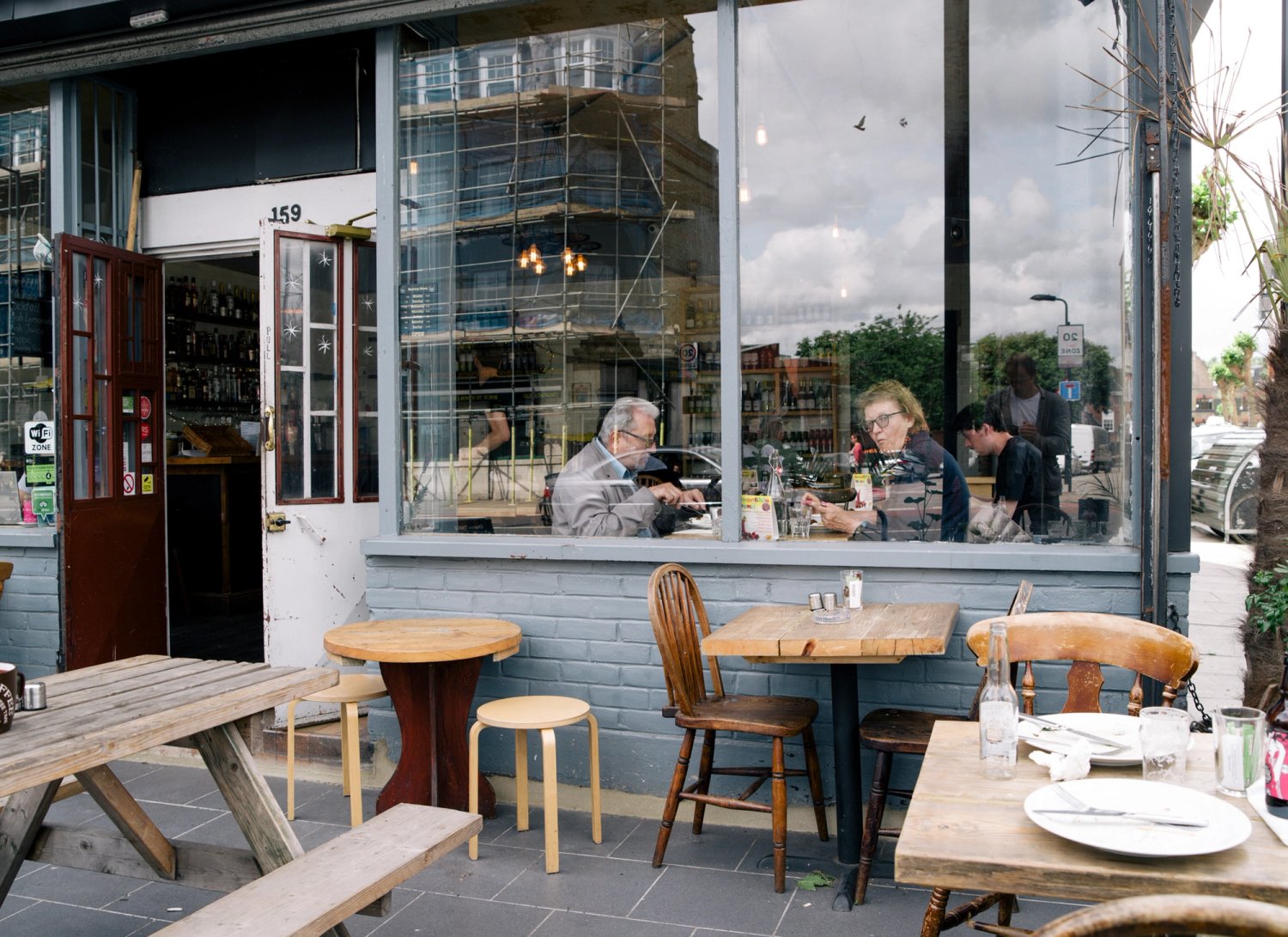
We will be working closely with the Greater London Authority's High Streets Data Service to analyse up-to-date quantitative data on spending, footfall, and business premises across over 240 town centres and more than 600 high streets, providing a vital pan-London overview of current trends. Complementing this, we will undertake a range of qualitative research to capture Londoner’s lived experience. To do this, we’ll be revisiting Clapton, Burnt Oak, and Lewisham – three high streets that formed the basis of the 'High Streets for All' study in 2017. Here, we will conduct surveys and interviews with residents, visitors, local workers, and business owners, as well as host 'night-time walk and talk' events. This combination of quantitative and qualitative methods will allow us to truly understand the nuances of the London’s changing high streets.
The ultimate goal of this work is to synthesise these findings into a coherent narrative that clearly articulates the evolving nature and enduring value of London's high streets. By doing so, we aim to provide a clear set of priorities for how they can most efficiently adapt and identify the future investment and support to do so.
This research will help support delivery of the Greater London Authority's London Growth Plan and Mayoral Mandate of helping local economies to thrive, by building an essential evidence base to ensure resources can be targeted effectively to ensure high streets are more efficient, safer, livelier, and better equipped to support community businesses and local opportunities for all Londoners.
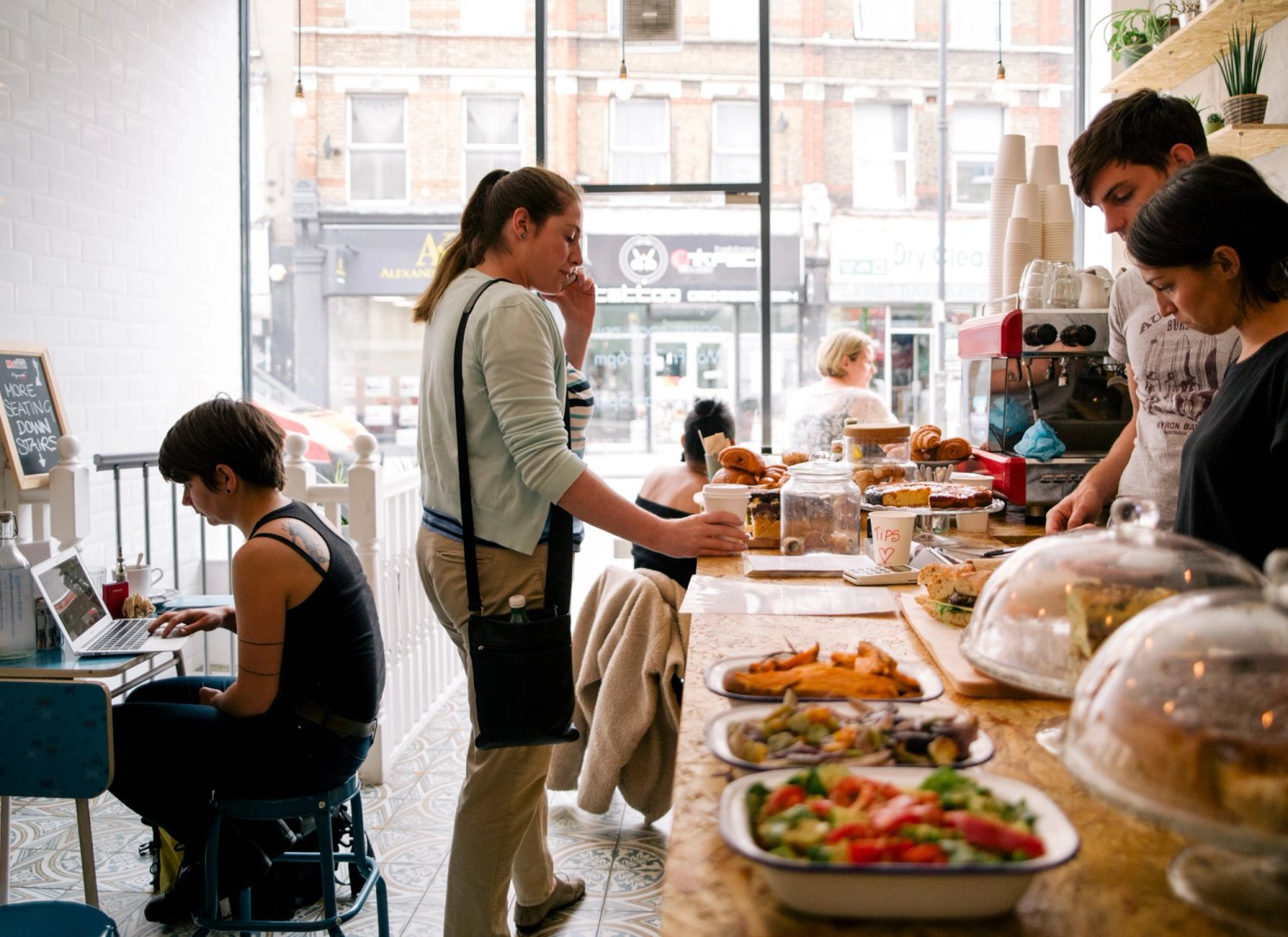
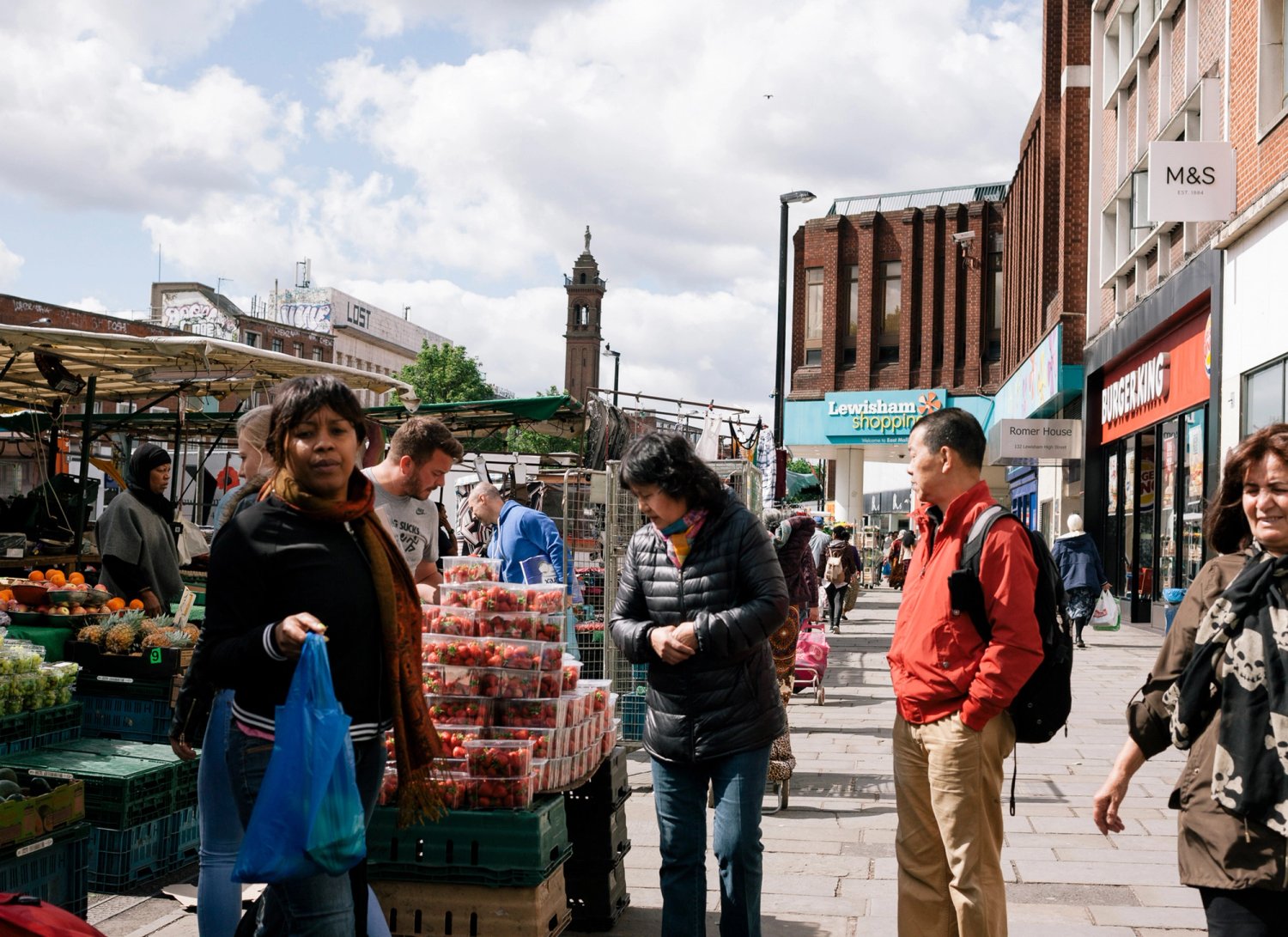
Image credits: Philipp Ebeling