Pressure, loss and emerging resilience: London's Cultural Production Spaces
20 July 2026
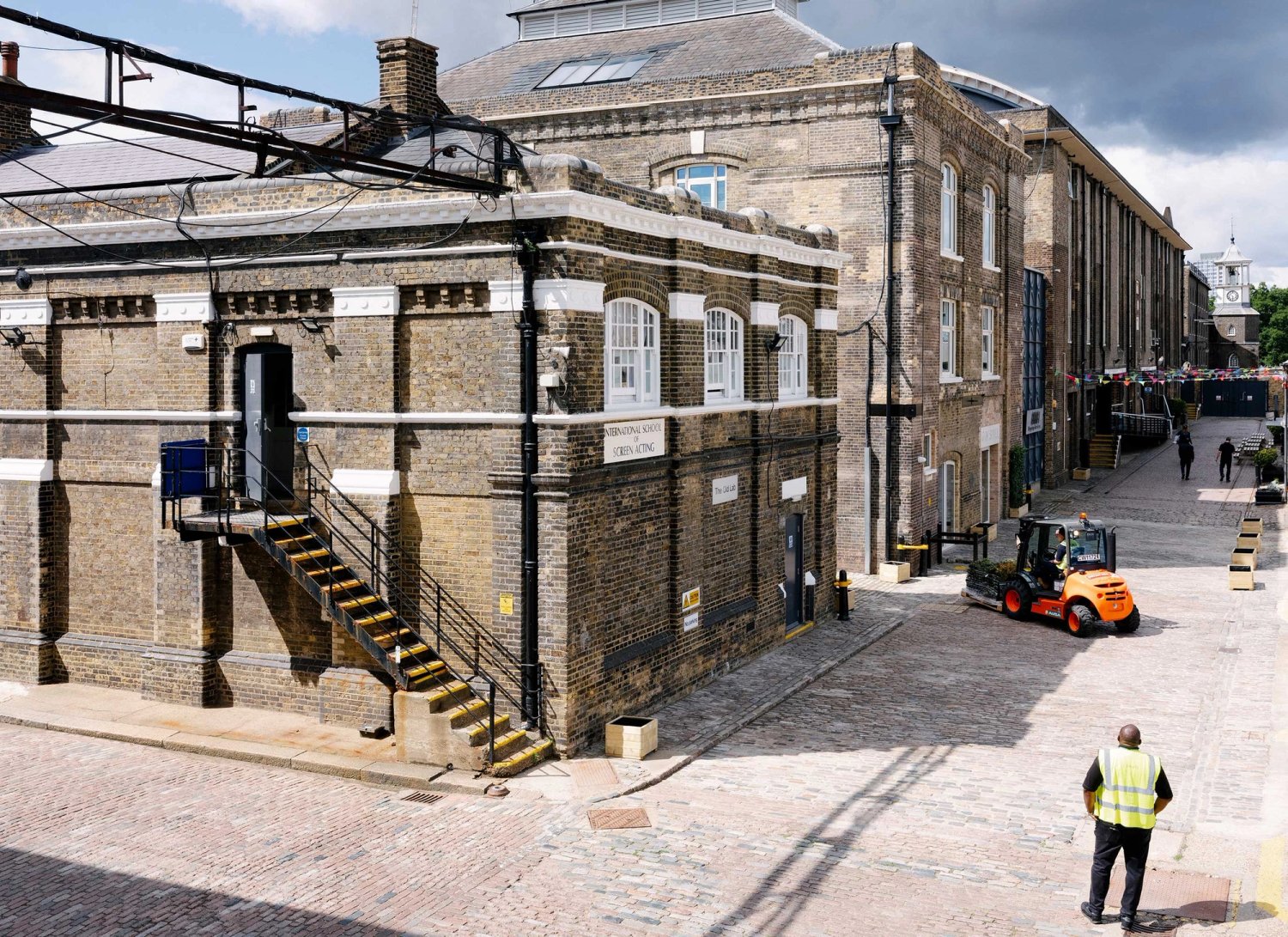
We Made That has been working with PRD on behalf of the Mayor of London to undertake an update of London’s Cultural Infrastructure Map and conducting a more in-depth "health check" of the city's cultural production spaces – the workshops, studios, and rehearsal rooms essential for creative output. The latest research paints a picture of a sector under pressure, yet adapting with ingenuity.
London is recognised globally as a leader for arts and culture, and its creative industries are vital to the city, generating £63 billion per year — over 12% of the capital’s economy.[1] Around one in five jobs are in the creative economy, and with approximately 150,000 creative freelancers contributing to the vibrancy and diversity of London’s creative output.[2]
For these cultural and creative sectors to continue contributing to London’s growth and global standing, they need access to suitable spaces for producing, creating and making culture.However, London’s competitive land market means creative businesses often struggle to find enough space to grow and thrive, and existing valuable spaces are at constant risk of being lost. With a review of the London Plan now underway, the Greater London Authority is actively building an evidence base to shape future planning policies. This includes updating London’s Cultural Infrastructure Map and conducting a more in-depth "health check" of the city's cultural production spaces; the workshops, studios, and rehearsal rooms essential for creative output.
This research mapped over 1,500 cultural production infrastructure spaces across the capital. The findings reveal a sector that is contracting. Between 2022 and 2025, the total number of creative spaces across the city fell by 9%. Existing spaces are closing almost three times faster than new ones are appearing. 152 cultural production spaces closed, while only 52 new ones opened.
Alongside spatial mapping, the research draws on survey responses, case studies and interviews to place individual voices and lived experience alongside the quantitative data. This qualitative layer helps explain the reasons behind key trends and sheds light on the innovative ways that providers are using their spaces and developing new business models to survive and adapt.
The research surfaces a number of important and interconnected findings, explored in depth in the full report:
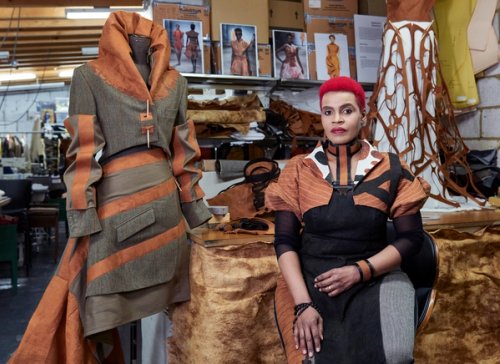
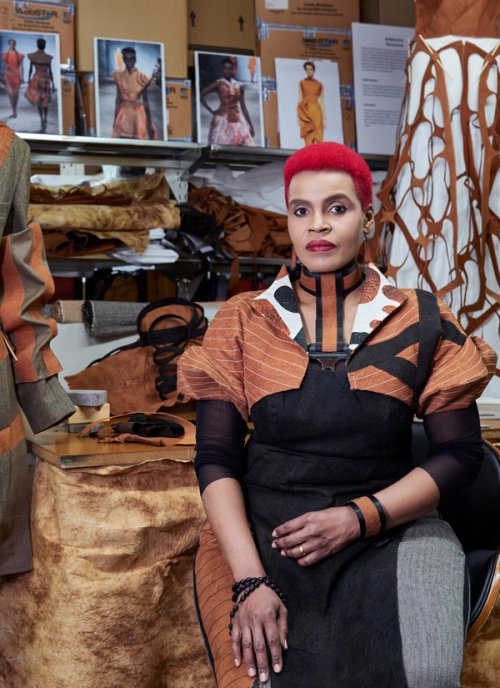
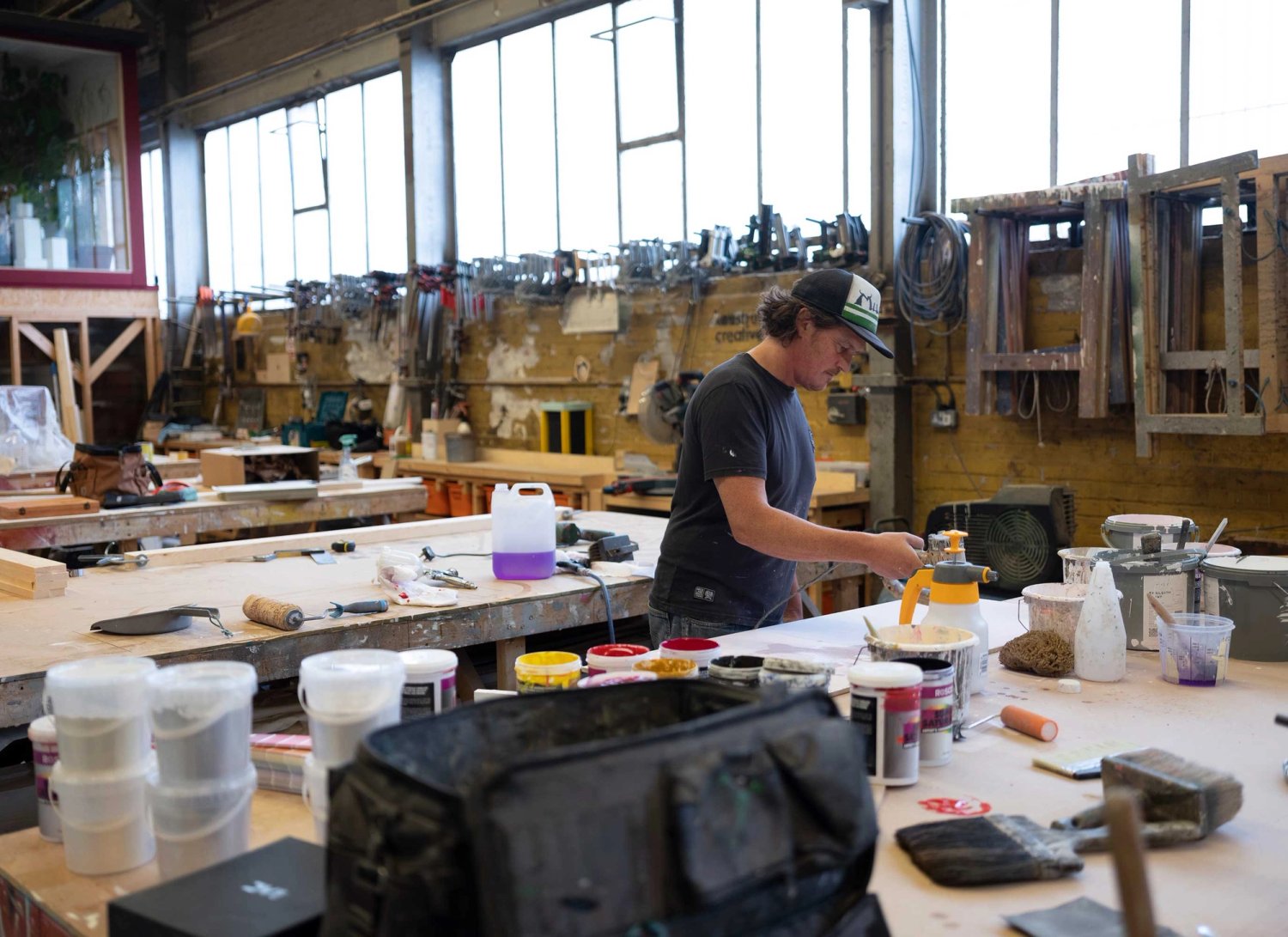
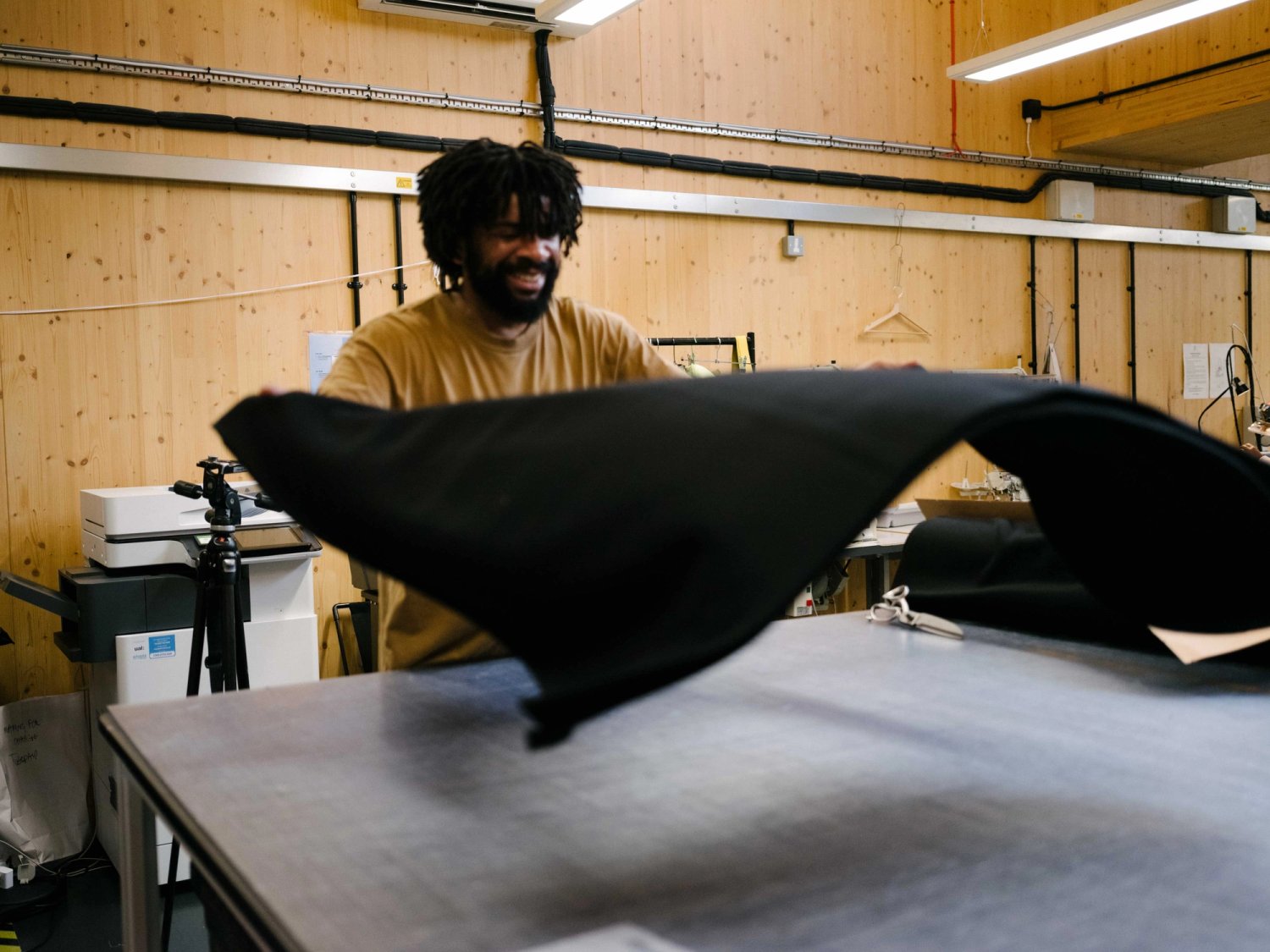
- Making and manufacturing spaces are declining fastest: Fashion design and manufacturing lost a quarter of its spaces between 2022 and 2025, textile design and finishing fell by 20%, and theatre and dance rehearsal studios both saw declines of 6%.
- Regeneration is accelerating loss: Opportunity Areas are losing creative spaces at a rate of 2.5 closures for every new opening, as rising land values and the end of meanwhile leases push out spaces that gave these areas their character.
- Protected industrial land is a stabilising force: Creative spaces on designated Local Strategic Industrial Sites show far greater stability, suggesting that affordable, protected land is critical to the sector's survival.
- Shared production models are emerging: Spaces like POW Workshops and Angel Yard are bringing together diverse creative businesses under one roof, fostering collaboration and new ways of generating income.
- Provider confidence is falling: The proportion of providers feeling likely to remain open has dropped from 78% in 2022 to 59% in 2025, reflecting growing uncertainty across the sector.
Together, this evidence is intended to inform planning policy for cultural infrastructure across the capital, contributing directly to the latest review of the new London Plan.
You can access the full health check report here.
Image credits: Philipp Ebeling